What is the Ananta Stava composed by Subhadra?
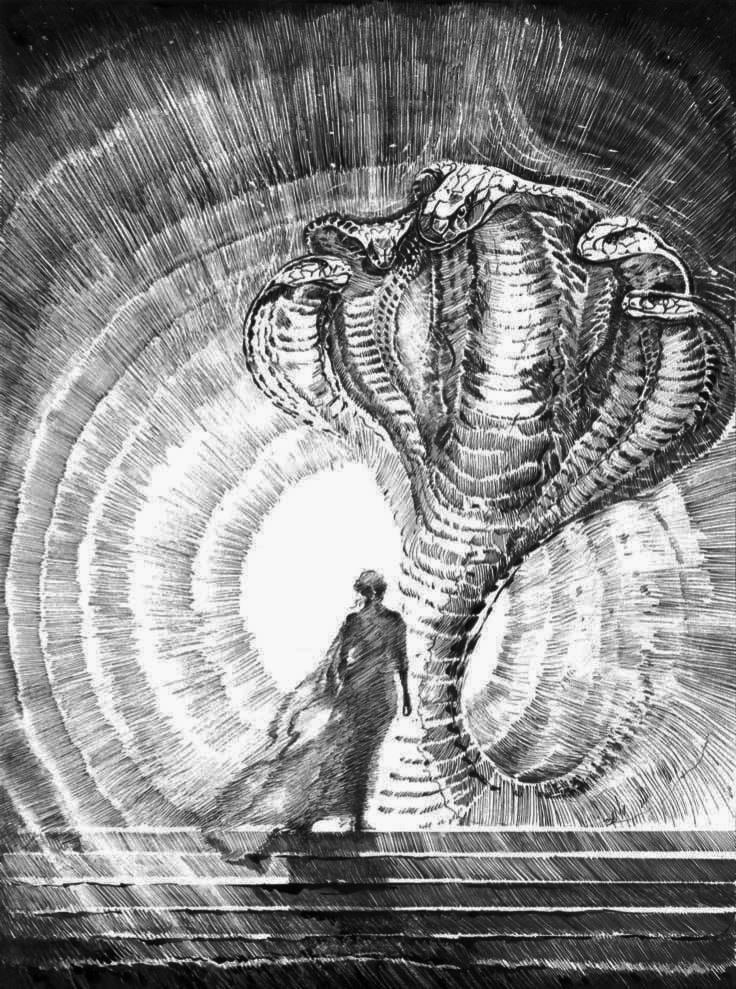
The Ananta Stava is a devotional hymn praising the infinite Lord Ananta Padmanabha Swamy through His various divine incarnations. Composed by Lord Krishna's sister Subhadra, this stotra glorifies the Supreme Lord Vishnu who manifests as different avatars to protect dharma and sustain the universe. The hymn reverently remembers forms such as Matsya, Kurma, Varaha, Narasimha, Vamana, Parashurama, Rama, Balarama, Krishna, and the future Kalki avatar, showing that the same eternal Ananta Vishnu appears repeatedly to restore cosmic balance.
What is the meaning of the Ananta Stava verses?
The verses of the Ananta Stava praise the Supreme Lord as the infinite protector of the universe who incarnates in different forms whenever dharma declines. Each verse remembers one avatar of Vishnu and highlights a key divine act — Matsya saving the Vedas during the cosmic dissolution, Kurma supporting Mount Mandara during the churning of the ocean, Varaha rescuing the Earth from the demon Hiranyaksha, Narasimha protecting Prahlada and destroying Hiranyakashipu, Vamana humbling King Bali, Parashurama destroying tyrannical rulers, Rama defeating Ravana, Balarama protecting the world with the plough and mace, Krishna destroying demons like Kamsa, and Kalki who will appear at the end of Kali Yuga to restore righteousness.
What are the benefits of chanting the Ananta Stava?
Chanting the Ananta Stava is believed to invoke the blessings of Lord Vishnu in all His incarnations, providing divine protection, removal of obstacles, spiritual strength, and devotion to the Supreme Lord. The stotra also reminds the devotee of the Lord’s constant role in preserving dharma and protecting the righteous, which inspires faith, humility, and surrender to the divine.
Why does the Ananta Stava mention many avatars of Vishnu?
The hymn highlights that all the major avatars of Vishnu are manifestations of the same infinite Supreme Being, often referred to as Ananta or the eternal Lord. By remembering these divine incarnations, devotees contemplate how the Lord repeatedly descends to protect the universe, destroy evil, and guide humanity toward righteousness and spiritual realization.
When is the best time to recite the Ananta Stava?
The Ananta Stava can be recited daily during morning or evening prayers. It is especially auspicious to chant this hymn during Vishnu worship, Ekadashi fasting days, Ananta Chaturdashi, or during festivals connected with the avatars of Vishnu such as Rama Navami, Narasimha Jayanti, Krishna Janmashtami, and Kurma or Varaha celebrations.
How should one chant the Ananta Stava?
Devotees usually chant the stotra in a clean and peaceful place while meditating on Lord Vishnu and His divine incarnations. Lighting a lamp, offering flowers, and reciting the verses with devotion and clear pronunciation enhances the spiritual atmosphere. Reflecting on the meaning of each avatar described in the hymn deepens the devotional experience.
Can beginners recite the Ananta Stava?
Yes, the Ananta Stava can be recited by anyone with faith and devotion. Since it is a stotra (hymn of praise) rather than a complex Vedic ritual mantra, it does not require formal initiation. Even beginners can chant or listen to the hymn to develop devotion to Lord Vishnu and to remember the divine stories of His incarnations.





![Wallpaper Image for 'ऋण मोचन गणेश स्तोत्र अर्थ सहित कर्ज मुक्ति हेतु - Rin Mochan Maha Ganapati Stotram with Meaning [Sanskrit Lyrics]'](/assets/image/ganesh1.webp?nf_resize=fit&w=600&format=webp)