What is the Ananta Stotram by King Chitraketu?
Ananta Stotram is a sacred hymn from the Bhagavata Purana (Skandha 6, Chapter 16, verses 34–48) spoken by King Chitraketu in praise of Lord Ananta Shesha, the thousand-headed cosmic serpent who supports the universe and serves Lord Vishnu. In this profound Vaishnava stuti, the king glorifies Ananta as the infinite foundation of creation, the inner Self of all beings, and the supreme spiritual reality beyond time, matter, and illusion.
What is the story behind the Ananta Stotram in the Bhagavata Purana?
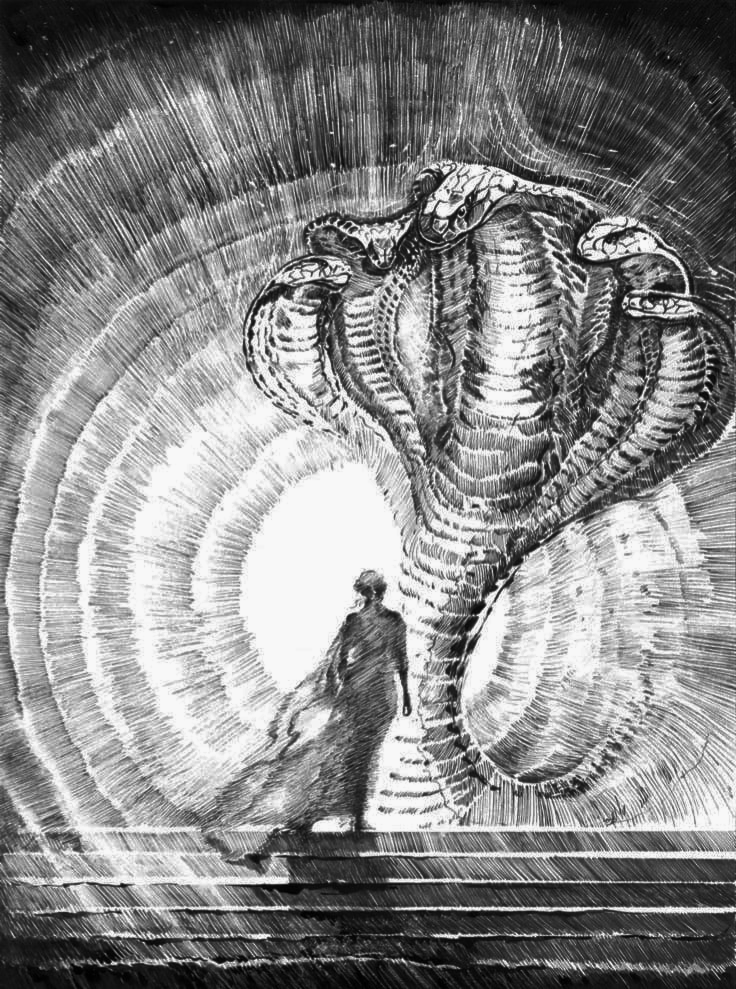
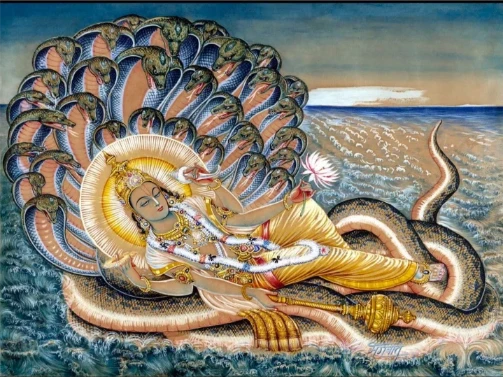
The Ananta Stotram is a profound hymn found in the Srimad Bhagavata Purana (Skandha 6, Chapter 16, verses 34–48) and is spoken by the great king and devotee Chitraketu in praise of Lord Ananta Shesha. King Chitraketu was a powerful ruler who possessed immense wealth, influence, and many queens, yet he suffered deep sorrow because he had no children. Seeing his distress, the sage Angira visited his palace and performed a sacred ritual that blessed the king’s chief queen Kritadyuti with a son. Although the birth of the prince brought great joy to the king, the other queens became jealous of Kritadyuti’s fortune and secretly poisoned the child, leading to his sudden death. Overcome with unbearable grief and attachment, King Chitraketu mourned deeply until the sages Narada and Angira returned to guide him spiritually. Through divine wisdom, they revealed the eternal truth of the soul (atma), karma, and the temporary nature of worldly relationships. By briefly reviving the departed child, they demonstrated that the soul passes through many births and cannot truly belong to any single family in the material world. This profound realization awakened detachment and spiritual understanding in the king. Sage Narada then initiated Chitraketu into a sacred mantra dedicated to the Supreme Lord and instructed him to meditate with devotion. After practicing intense spiritual discipline, fasting, and mantra meditation for several days, King Chitraketu attained divine realization and was granted the vision of Lord Ananta (Ananta Shesha), the thousand-headed cosmic serpent who supports countless universes and serves as the eternal resting place of Lord Vishnu. When Chitraketu beheld the radiant form of Lord Ananta surrounded by liberated sages and celestial beings, his heart overflowed with devotion, humility, and spiritual bliss. With folded hands and tears of devotion, he offered a series of philosophical and devotional prayers glorifying the Lord as the infinite foundation of creation, the inner Self of all beings, the supreme support of the cosmos, and the ultimate reality beyond time, illusion, and material qualities. These sacred prayers are known as the Ananta Stotram. The episode is widely studied in Vaishnava scriptures because it teaches powerful spiritual lessons about detachment from worldly suffering, the eternal nature of the soul, devotion to Lord Vishnu, and the realization of the Supreme Truth through bhakti and spiritual knowledge.
What is the spiritual meaning of the Ananta Stotram?
The Ananta Stotram explains the infinite nature of the Supreme Lord through the form of Ananta Shesha. The hymn teaches that the Lord exists beyond material qualities, time, and duality while simultaneously sustaining the entire cosmos. It emphasizes that true devotion is free from ego, selfish desire, and worldly attachment, and that realization of the divine Self leads to liberation and spiritual peace.
What are the benefits of chanting the Ananta Stotram?
Reciting the Ananta Stotram is believed to bring spiritual protection, inner clarity, and devotion to Lord Vishnu. Devotees chant this hymn to remove ego, overcome karmic obstacles, gain spiritual wisdom, and develop detachment from worldly illusions. The stotra also invokes the blessings of Lord Ananta Shesha, who represents stability, cosmic order, and divine support for the universe.
Are there any astrological benefits of reciting the Ananta Stotram?
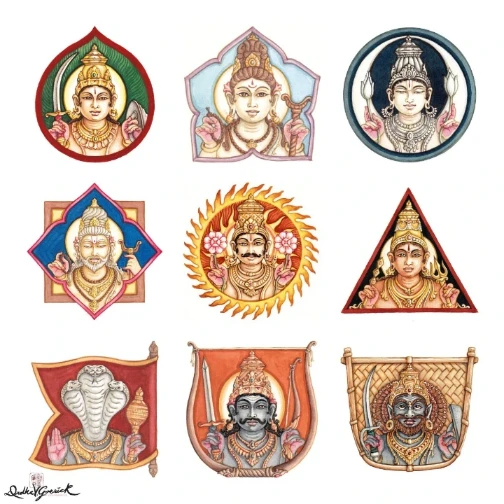
In spiritual and astrological traditions, worship of Ananta Shesha is believed to reduce serpent-related doshas such as Kala Sarpa Dosha and to bring stability in life during difficult planetary periods. Devotees pray to Lord Ananta for protection from obstacles, negative influences, and karmic disturbances while seeking balance, prosperity, and spiritual progress.
When is the best time to chant the Ananta Stotram?
The Ananta Stotram can be recited daily, especially during early morning prayer or evening meditation. It is particularly auspicious to chant this hymn on Ananta Chaturdashi, during Vishnu worship, or on days dedicated to Lord Vishnu such as Ekadashi. Devotees also recite it during spiritual study of the Bhagavata Purana and during temple worship of Lord Ananta Padmanabha.
How should one recite the Ananta Stotram?
Sit in a clean and peaceful place, preferably facing east, and chant the verses with devotion and clear pronunciation. Lighting a diya, offering flowers, and meditating on Lord Vishnu resting on Ananta Shesha can enhance the spiritual atmosphere. The stotra may be recited once or multiple times with focus on its meaning and philosophical teachings.
Can beginners chant the Ananta Stotram?
Yes, the Ananta Stotram can be recited by anyone with faith and devotion. Since it is a stotra (hymn of praise) rather than a strict Vedic mantra, it does not usually require formal initiation. Even beginners may chant or listen to it to cultivate devotion to Lord Vishnu and understanding of the deeper spiritual truths described in the Bhagavata Purana.