
What is Mangal Ashtottara Shatanama Stotram?
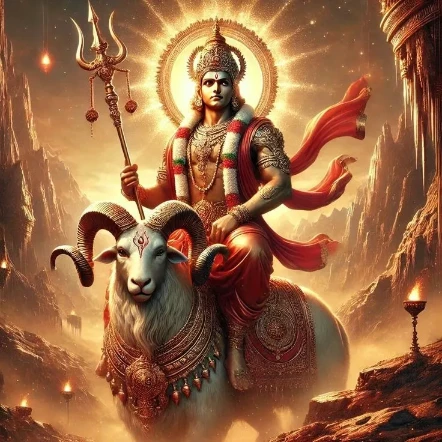
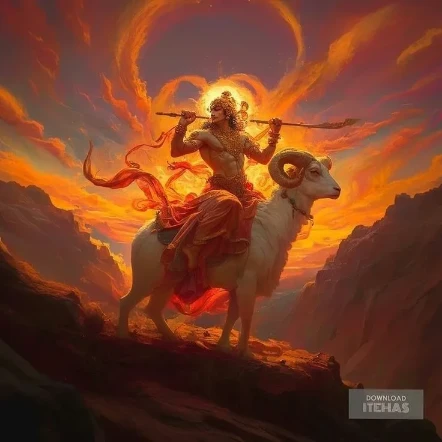
Mangal Ashtottara Shatanama Stotram is a sacred hymn containing 108 divine names of Lord Mangal (Angaraka or Mars), the celestial planet representing courage, strength, vitality, and determination. Each name glorifies Mangal Deva’s fiery energy, protective nature, and ability to destroy negativity. Chanting this Stotram invokes divine protection, removes Mangal Dosha, and brings balance between physical strength and spiritual discipline.
Where do the 108 names in Mangal Ashtottara Shatanama Stotram come from?
The 108 names of Lord Mangal originate from Vedic and Puranic scriptures such as the Skanda Purana, Matsya Purana, and Agni Purana, which describe Him as the son of Earth (Bhumi Putra) and a fierce warrior who upholds righteousness. Each name highlights an aspect of His divine role — from protector of dharma to destroyer of evil influences — making this Stotram a vital part of planetary worship (Navagraha Sadhana).
What are the benefits of chanting Mangal Ashtottara Shatanama Stotram daily?
Chanting Mangal Ashtottara Shatanama Stotram daily strengthens willpower, focus, and determination while removing fear, laziness, and indecision. It helps boost confidence, leadership, and motivation. Regular recitation also reduces the effects of anger and impulsiveness, turning Mangal’s fiery energy into constructive power. It’s especially beneficial for athletes, soldiers, entrepreneurs, and those seeking courage to overcome challenges.
What are the astrological benefits of chanting Mangal Ashtottara Shatanama Stotram?
Astrologically, chanting the 108 names of Lord Mangal pacifies Mangal Dosha (Kuja Dosha) in the birth chart and mitigates afflictions caused by an ill-placed or debilitated Mars. Mangal governs energy, property, blood, courage, and marriage compatibility. This Stotram helps stabilize fiery emotions, strengthens physical health, and attracts favorable outcomes in disputes and property matters. It also harmonizes relationships by balancing Mars’s aggressive energy with discipline and compassion. Chanting is particularly beneficial during Mangal’s Mahadasha or Antardasha, and on Tuesdays.
What is the best time to chant Mangal Ashtottara Shatanama Stotram?
The most auspicious time to chant Mangal Ashtottara Shatanama Stotram is on Tuesdays, which are ruled by Lord Mangal. Early morning during Brahma Muhurta (4–6 a.m.) or during Mangal Hora (hour of Mars) offers maximum benefits. Facing the south direction while chanting helps align with Mars’s fiery vibration. Fasting or offering red flowers, jaggery, and lentils enhances the devotional effect.
Can women chant Mangal Ashtottara Shatanama Stotram during their periods?
Yes, women may chant Mangal Ashtottara Shatanama Stotram during menstruation if they feel spiritually connected. The power of this Stotram lies in sincerity and focus, not ritual restrictions. Women facing relationship challenges, Mangal Dosha, or health-related stress can benefit greatly from chanting it mentally or softly during this time.
Can pregnant women safely chant Mangal Ashtottara Shatanama Stotram?
Yes. Pregnant women can safely chant Mangal Ashtottara Shatanama Stotram for protection, vitality, and courage. Lord Mangal’s energy brings emotional strength, guards against negativity, and promotes a healthy, determined spirit for both mother and child. Chanting calmly ensures Mars’s fiery energy manifests as stability, warmth, and safety instead of agitation or restlessness.