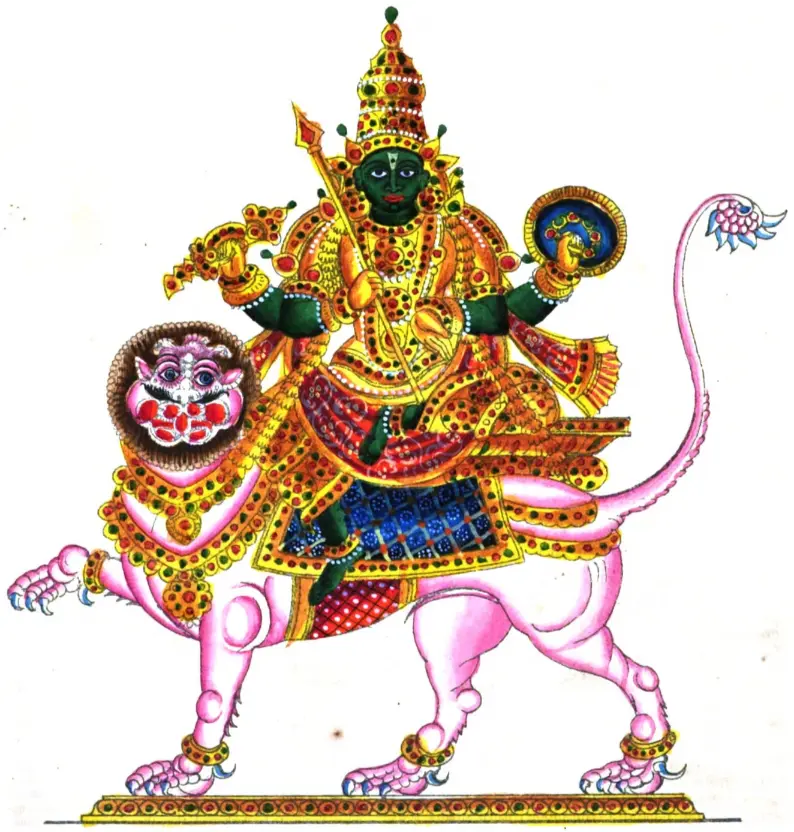
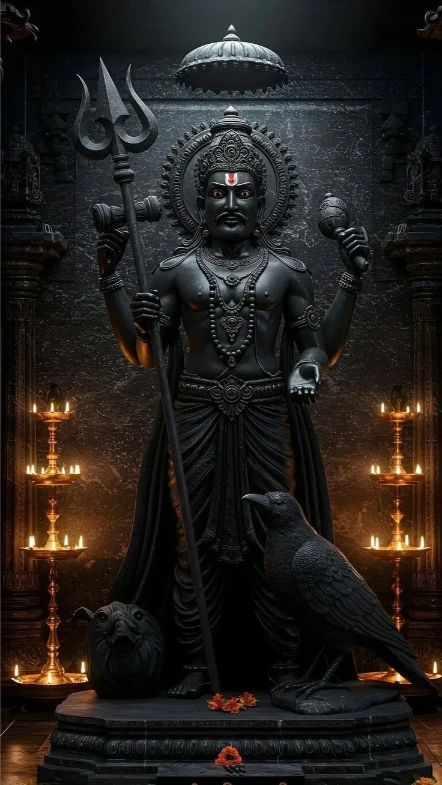
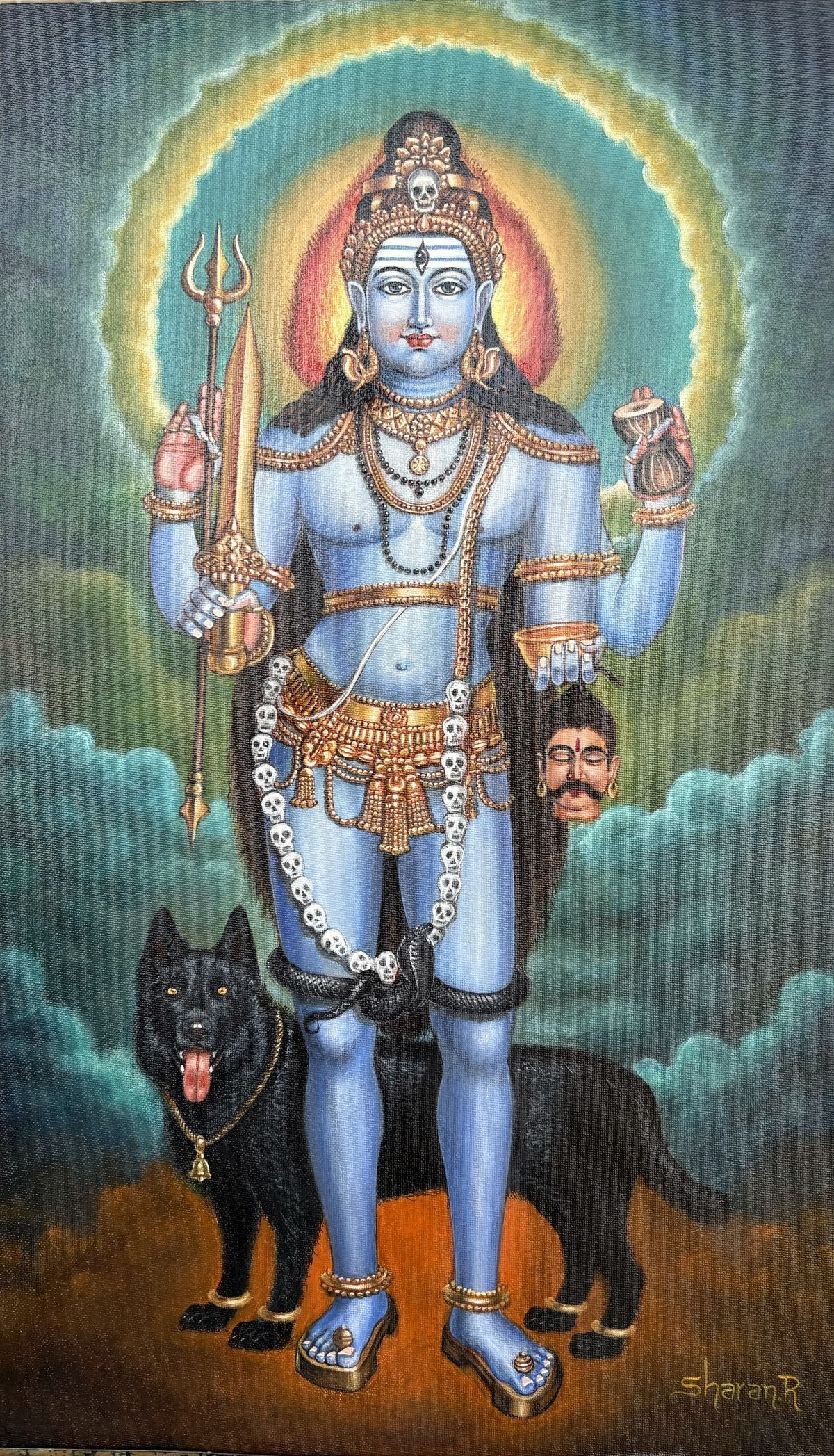
What is Rahu Ashtottara Shatanamavali?
Rahu Ashtottara Shatanamavali is a sacred hymn consisting of 108 divine names dedicated to Lord Rahu, one of the shadow planets (Chhaya Grahas) in Vedic astrology. Each name glorifies Rahu’s transformative power and his role in revealing karmic lessons, spiritual awakening, and worldly success. Chanting this Namavali helps neutralize Rahu’s malefic effects, dissolve confusion, and channel his intense energy toward growth, innovation, and inner strength.
Where do the 108 names of Lord Rahu come from?
The 108 names of Lord Rahu are drawn from classical astrological scriptures such as the Brihat Parashara Hora Shastra, Skanda Purana, and Rahu Kavacha Stotra. These texts portray Rahu as a mysterious and powerful celestial entity who governs desires, illusion, ambition, and sudden change. The names in the Rahu Ashtottara Shatanamavali praise Him as Karmaphala Data (giver of karmic results), Tamobhava (born of shadow), and Graha Raja (king among shadow planets).
What are the benefits of chanting Rahu Ashtottara Shatanamavali daily?
Chanting Rahu Ashtottara Shatanamavali daily helps reduce confusion, fear, anxiety, and restlessness. It transforms obsessive or negative thinking into focus and creativity. Regular recitation promotes clarity in career, success in foreign connections, and protection from deceit or hidden enemies. It strengthens intuition, courage, and the ability to navigate life’s unpredictable situations with grace and awareness.
What are the astrological benefits of chanting Rahu Ashtottara Shatanamavali?
Astrologically, chanting Rahu Ashtottara Shatanamavali pacifies Rahu Dosha and mitigates the effects of Rahu’s affliction in one’s natal chart. Rahu governs illusion, ambition, technology, and transformation. When balanced, it brings fame, innovation, and unconventional success; when afflicted, it can cause confusion, obsession, or scandal. This Namavali helps stabilize Rahu’s shadow energy, making it constructive rather than chaotic. It is especially effective during Rahu Mahadasha, Antardasha, or transits through the Moon or Ascendant.
What is the best time to chant Rahu Ashtottara Shatanamavali?
The most auspicious day to chant Rahu Ashtottara Shatanamavali is Saturday (Shanivar) or Wednesday (Budhvar), as Rahu shares karmic resonance with both Saturn and Mercury. The ideal time is during Rahu Kalam (Rahu’s planetary period of the day) or early morning during Brahma Muhurta (4–6 a.m.). Chanting while facing the southwest direction or near a dark blue or black cloth offering sesame oil lamps enhances the mantra’s protective effects.
Can women chant Rahu Ashtottara Shatanamavali during their periods?
Yes. Women may chant Rahu Ashtottara Shatanamavali during menstruation if they feel spiritually grounded. Rahu’s energy represents transformation beyond material limitations, so sincere chanting during this time can actually help stabilize emotions and enhance spiritual awareness. The focus should remain on devotion and discipline rather than physical restriction.
Can pregnant women safely chant Rahu Ashtottara Shatanamavali?
Yes, pregnant women can safely chant Rahu Ashtottara Shatanamavali with a calm and focused mind. The mantra helps protect against fear, anxiety, and unnecessary worry. The vibrations of Rahu’s names, when chanted with devotion, can bring emotional balance, courage, and a shield of divine protection around the mother and child. It’s best recited gently, with positive intention, and in a peaceful environment.