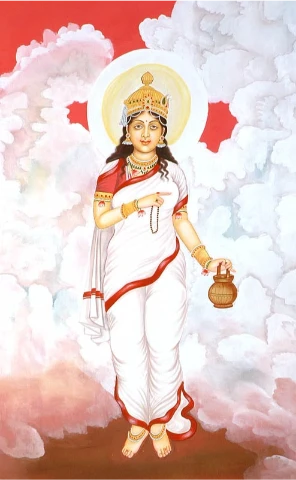
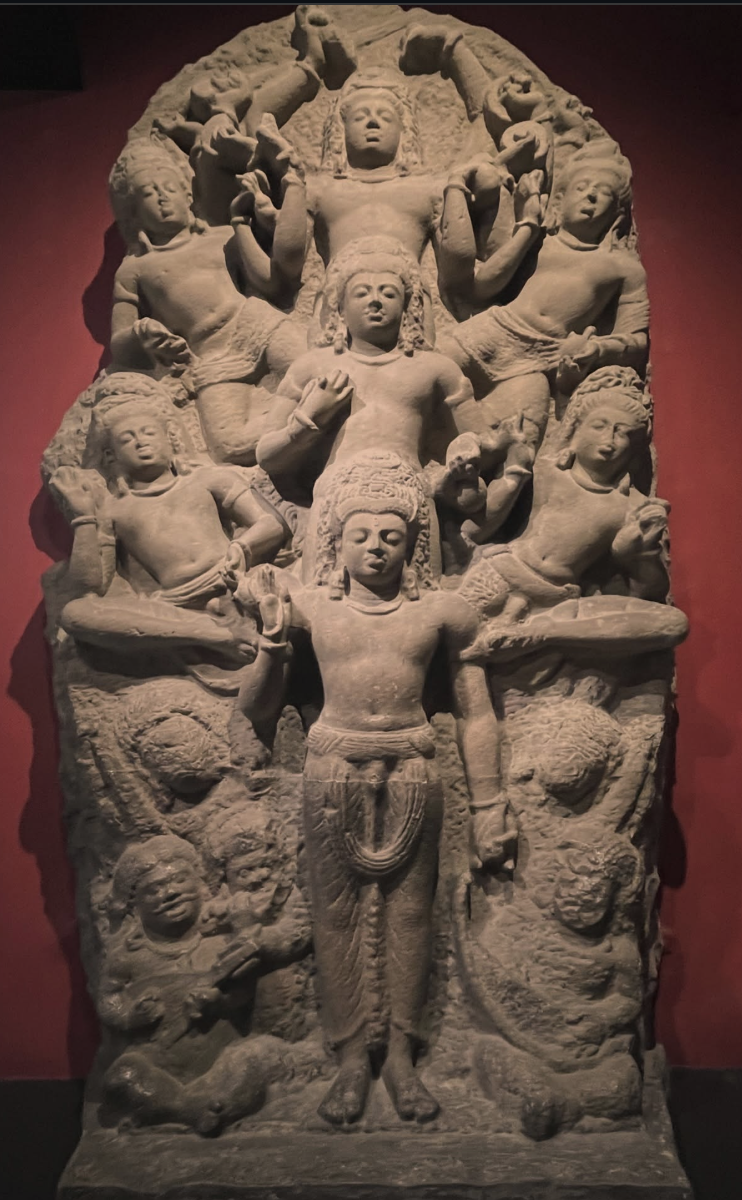
What is Parvati Ashtottara Shatanama Stotram?
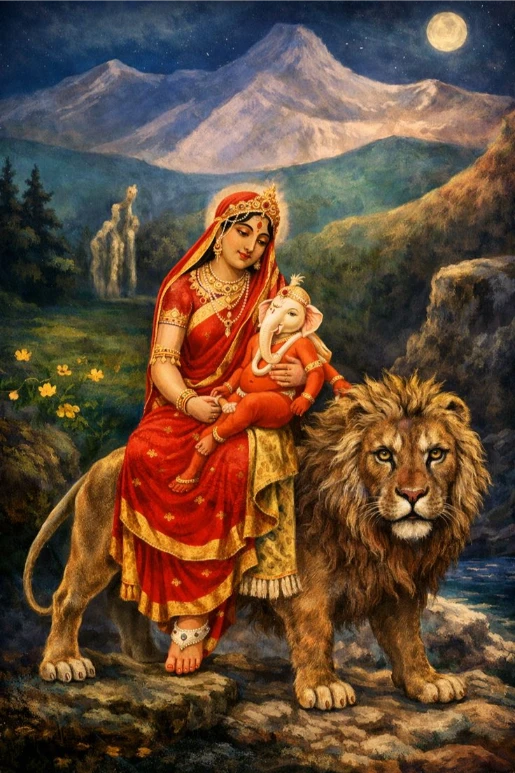
Parvati Ashtottara Shatanama Stotram is a sacred Sanskrit hymn consisting of 108 divine names of Goddess Parvati, the consort of Lord Shiva and the supreme embodiment of Shakti. Each name reflects Her divine qualities — such as beauty, compassion, strength, wisdom, and protection — celebrating her role as the universal Mother and cosmic power. Reciting this Stotram invokes Her blessings for spiritual growth, prosperity, marital harmony, and emotional well-being.
Where does Parvati Ashtottara Shatanama Stotram come from?
The Ashtottara Shatanama Stotram is found in traditional Puranic and tantric texts, including references in the Kurma Purana, which highlight Goddess Parvati’s supreme form as Parameshwari. In these scriptures, her 108 names are used in devotional worship and rituals to honor her infinite attributes and manifest her blessings in the lives of devotees.
What are the benefits of chanting Parvati Ashtottara Shatanama Stotram daily?
Daily chanting of the Parvati Ashtottara Shatanama Stotram enhances spiritual devotion, mental peace, emotional stability, and inner strength. It removes obstacles, improves family harmony, blesses marital relationships, and fosters courage, confidence, and compassion. Devotees also experience protection from negativity, clarity of thought, and alignment with divine feminine energy through regular recitation.
What are the astrological benefits of chanting Parvati Ashtottara Shatanama Stotram?
Astrologically, reciting the 108 names of Goddess Parvati strengthens the influence of Moon (Chandra) for emotional stability, Venus (Shukra) for love and harmony, and balances the effects of Rahu-Ketu dosha. It is believed to reduce marital and relational issues, pacify planetary afflictions, and attract divine protection, prosperity, and positive energy in one’s life.
What is the best time to chant Parvati Ashtottara Shatanama Stotram?
The most auspicious times to chant this Stotram are early morning during Brahma Muhurta and evening Sandhya. Fridays and Mondays are particularly sacred for Goddess Parvati worship. Chanting during Navaratri, Sharad Navaratri, or special family pujas enhances blessings, marital harmony, protection, and spiritual upliftment.
Can women chant Parvati Ashtottara Shatanama Stotram during their periods?
Yes. Women can chant Parvati Ashtottara Shatanama Stotram during menstruation if they feel spiritually connected. Devotion and purity of heart are more important than ritual restrictions in Shakti worship. Mental or soft recitation is fully acceptable and keeps the spiritual connection uninterrupted.
Can pregnant women safely chant Parvati Ashtottara Shatanama Stotram?
Yes. Pregnant women can safely chant this Stotram. Reciting the 108 names of Goddess Parvati during pregnancy provides mental calm, emotional stability, and protective energy for both mother and child. Regular devotion nurtures spiritual strength, peace, and divine blessings during pregnancy.


![अष्टादश श्लोकी भगवत गीता - Ashtadasha (18) Shloki Geeta [Sanskrit Lyrics]](/assets/image/bhagwat-gita.webp?nf_resize=fit&w=300&format=webp)