
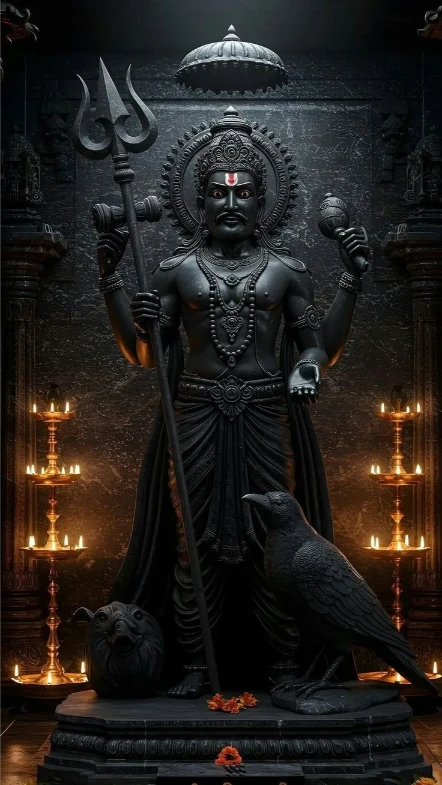
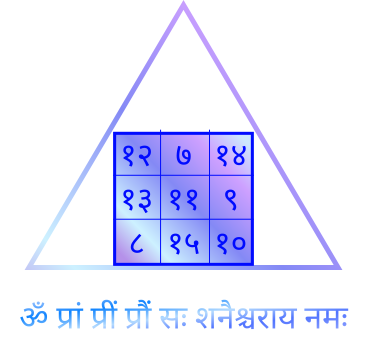
शनि बीज मन्त्र -
ॐ प्राँ प्रीं प्रौं सः शनैश्चराय नमः ।
ॐ शनैश्चराय नमः ।
ॐ शान्ताय नमः ।
ॐ सर्वाभीष्टप्रदायिने नमः ।
ॐ शरण्याय नमः ।
ॐ वरेण्याय नमः ।
ॐ सर्वेशाय नमः ।
ॐ सौम्याय नमः ।
ॐ सुरवन्द्याय नमः ।
ॐ सुरलोकविहारिणे नमः ।
ॐ सुखासनोपविष्टाय नमः । १०
ॐ सुन्दराय नमः ।
ॐ घनाय नमः ।
ॐ घनरूपाय नमः ।
ॐ घनाभरणधारिणे नमः ।
ॐ घनसारविलेपाय नमः ।
ॐ खद्योताय नमः ।
ॐ मन्दाय नमः ।
ॐ मन्दचेष्टाय नमः ।
ॐ महनीयगुणात्मने नमः ।
ॐ मर्त्यपावनपदाय नमः । २०
ॐ महेशाय नमः ।
ॐ छायापुत्राय नमः ।
ॐ शर्वाय नमः ।
ॐ शततूणीरधारिणे नमः ।
ॐ चरस्थिरस्वभावाय नमः ।
ॐ अचञ्चलाय नमः ।
ॐ नीलवर्णाय नमः ।
ॐ नित्याय नमः ।
ॐ नीलाञ्जननिभाय नमः ।
ॐ नीलाम्बरविभूशणाय नमः । ३०
ॐ निश्चलाय नमः ।
ॐ वेद्याय नमः ।
ॐ विधिरूपाय नमः ।
ॐ विरोधाधारभूमये नमः ।
ॐ भेदास्पदस्वभावाय नमः ।
ॐ वज्रदेहाय नमः ।
ॐ वैराग्यदाय नमः ।
ॐ वीराय नमः ।
ॐ वीतरोगभयाय नमः ।
ॐ विपत्परम्परेशाय नमः । ४०
ॐ विश्ववन्द्याय नमः ।
ॐ गृध्नवाहाय नमः ।
ॐ गूढाय नमः ।
ॐ कूर्माङ्गाय नमः ।
ॐ कुरूपिणे नमः ।
ॐ कुत्सिताय नमः ।
ॐ गुणाढ्याय नमः ।
ॐ गोचराय नमः ।
ॐ अविद्यामूलनाशाय नमः ।
ॐ विद्याविद्यास्वरूपिणे नमः । ५०
ॐ आयुष्यकारणाय नमः ।
ॐ आपदुद्धर्त्रे नमः ।
ॐ विष्णुभक्ताय नमः ।
ॐ वशिने नमः ।
ॐ विविधागमवेदिने नमः ।
ॐ विधिस्तुत्याय नमः ।
ॐ वन्द्याय नमः ।
ॐ विरूपाक्षाय नमः ।
ॐ वरिष्ठाय नमः ।
ॐ गरिष्ठाय नमः । ६०
ॐ वज्राङ्कुशधराय नमः ।
ॐ वरदाभयहस्ताय नमः ।
ॐ वामनाय नमः ।
ॐ ज्येष्ठापत्नीसमेताय नमः ।
ॐ श्रेष्ठाय नमः ।
ॐ मितभाषिणे नमः ।
ॐ कष्टौघनाशकर्त्रे नमः ।
ॐ पुष्टिदाय नमः ।
ॐ स्तुत्याय नमः ।
ॐ स्तोत्रगम्याय नमः । ७०
ॐ भक्तिवश्याय नमः ।
ॐ भानवे नमः ।
ॐ भानुपुत्राय नमः ।
ॐ भव्याय नमः ।
ॐ पावनाय नमः ।
ॐ धनुर्मण्डलसंस्थाय नमः ।
ॐ धनदाय नमः ।
ॐ धनुष्मते नमः ।
ॐ तनुप्रकाशदेहाय नमः ।
ॐ तामसाय नमः । ८०
ॐ अशेषजनवन्द्याय नमः ।
ॐ विशेशफलदायिने नमः ।
ॐ वशीकृतजनेशाय नमः ।
ॐ पशूनां पतये नमः ।
ॐ खेचराय नमः ।
ॐ खगेशाय नमः ।
ॐ घननीलाम्बराय नमः ।
ॐ काठिन्यमानसाय नमः ।
ॐ आर्यगणस्तुत्याय नमः ।
ॐ नीलच्छत्राय नमः । ९०
ॐ नित्याय नमः ।
ॐ निर्गुणाय नमः ।
ॐ गुणात्मने नमः ।
ॐ निरामयाय नमः ।
ॐ निन्द्याय नमः ।
ॐ वन्दनीयाय नमः ।
ॐ धीराय नमः ।
ॐ दिव्यदेहाय नमः ।
ॐ दीनार्तिहरणाय नमः ।
ॐ दैन्यनाशकराय नमः । १००
ॐ आर्यजनगण्याय नमः ।
ॐ क्रूराय नमः ।
ॐ क्रूरचेष्टाय नमः ।
ॐ कामक्रोधकराय नमः ।
ॐ कलत्रपुत्रशत्रुत्वकारणाय नमः ।
ॐ परिपोषितभक्ताय नमः ।
ॐ परभीतिहराय नमः ।
ॐ भक्तसंघमनोऽभीष्टफलदाय नमः ।
॥ इति शनि अष्टोत्तरशतनामावलिः सम्पूर्णम् ॥

← Previous
राहु अष्टोत्तर शतनामावली (१०८ नाम) अर्थ सहित - 108 Names Rahu Ashtottara Shatanamavali Sanskrit Lyrics with Meaning For North Node Remedy
Next →
श्रीमद आनन्द नटराज अष्टोत्तर शतनाम स्तोत्र (१०८ नाम) अर्थ सहित - 108 Names Shrimad Anand Nataraja Ashtottara Shatanama Stotram Sanskrit Lyrics with Meaning