What is the Shiv Ashtakam Stotra beginning with 'Prabhum Prananatham Vibhun Vishwanatham'?
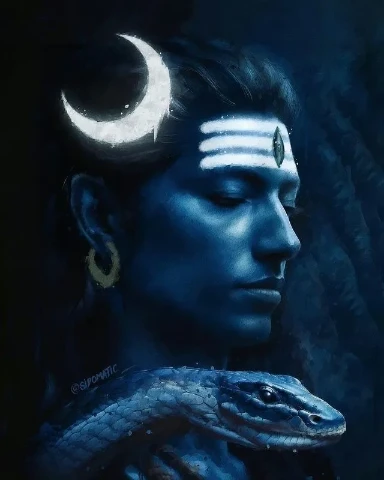
The Shiv Ashtakam Stotram beginning is a devotional Sanskrit hymn praising Lord Shiva as the supreme cosmic lord. This eight-verse (Ashtakam) stotra glorifies Shiva through many sacred names such as Shankara, Shambhu, Ishan, Maheshwara, and Bhuteshvara. The hymn describes Shiva’s divine form—his matted locks carrying the river Ganga, serpents as ornaments, the trident (Trishul), the third eye, and his presence in Mount Kailash and cremation grounds. It is widely recited by Shiva devotees to meditate on the deeper spiritual symbolism of Mahadeva as the destroyer of ignorance and the source of liberation.
What is the meaning and spiritual significance of the Shiv Ashtakam Stotra?
The Shiv Ashtakam praises Lord Shiva as the supreme consciousness who governs creation, preservation, and transformation. Each verse highlights symbolic aspects of Shiva’s form—his snake garlands representing control over fear and death, the sacred ash symbolizing detachment from worldly illusion, and the river Ganga flowing from his matted hair representing divine knowledge. The hymn also describes Shiva as Ardhanarishvara, the unity of masculine and feminine energies through his union with Goddess Parvati. Through these symbols, the stotra teaches that Shiva is both the cosmic ruler and the inner Self present in all beings.
What are the benefits of chanting the Shiv Ashtakam Stotram?
Chanting the Shiv Ashtakam with devotion is believed to bring spiritual purification, removal of negative karma, and protection from difficulties. According to the phala-shruti, a person who recites this sacred Shiva stotra in the morning receives blessings such as good children, prosperity, supportive friends, and harmony in family life. Regular chanting brings peace of mind, dissolves fear, strengthens devotion to Lord Shiva, and ultimately leads toward spiritual liberation (moksha).
When is the best time to chant the Shiv Ashtakam Stotra?
The most auspicious time to chant the Shiv Ashtakam is early in the morning during Brahma Muhurta or after sunrise, as suggested in the final verse of the stotram. Many devotees also recite it during Shiva worship on Mondays, during Pradosh Vrat, or on sacred festivals such as Maha Shivaratri and Shravan month. Chanting the stotra while meditating on the form of Mahadev or while offering water, milk, or Bilva leaves to a Shiva Lingam is considered especially beneficial.
Why does the Shiv Ashtakam Stotra describe Shiva with snakes, ash, and cremation grounds?
The imagery used in the Shiv Ashtakam represents deep spiritual symbolism. The snakes around Shiva symbolize mastery over fear, ego, and death. The sacred ash (bhasma) represents the temporary nature of the material world and the truth that everything ultimately returns to dust. Shiva’s presence in cremation grounds symbolizes transcendence over life and death, showing that he is beyond worldly attachments. These symbols remind devotees to cultivate detachment, wisdom, and awareness of the eternal soul.

![शिवाष्टकम स्तोत्र (प्रभुं प्राणनाथम) अर्थ सहित - Shivashtakam Stotram (Prabhum Prananatham) with Meaning [Sanskrit Lyrics]](/assets/image/shri-shiva-ashtakam-stotram-meaning-adi-shankaracharya.webp?nf_resize=fit&w=1200)