What is the Skanda-Krita Ganesha Stotram from the Mudgala Purana?
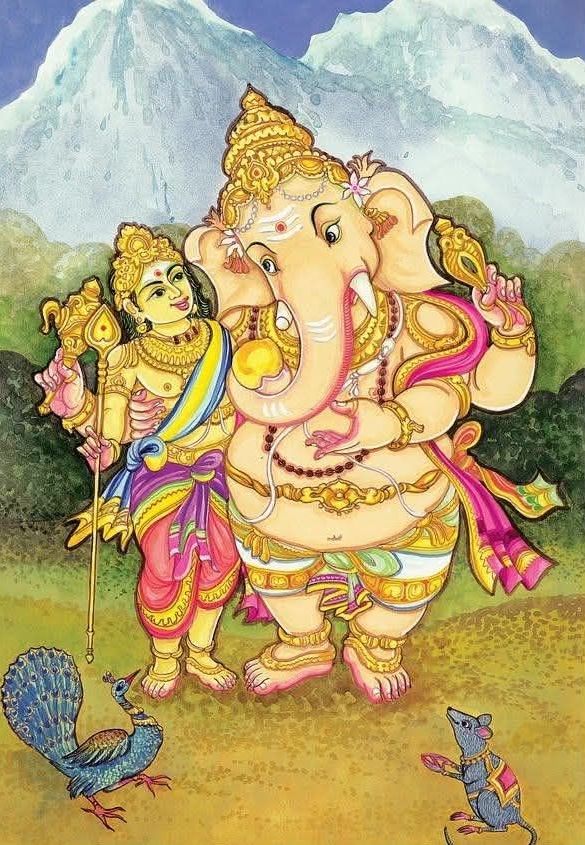
The Skanda-Krita Ganesha Stotram is a sacred hymn dedicated to Lord Ganesha that appears in the Mudgala Purana (Third Khanda, Chapter 5). In this stotra, Lord Skanda—also known as Kartikeya, Murugan Swamy, or Subrahmanya—praises his brother Ganesha as the supreme yogic reality and the remover of all obstacles. The Mudgala Purana is one of the most important Ganapatya scriptures devoted entirely to Ganapati and his philosophical symbolism, presenting Ganesha as a manifestation of the ultimate reality (Brahman). This hymn beautifully explains the deeper spiritual meaning of Ganesha’s form, highlighting the unity of Siddhi (spiritual success), Buddhi (divine intellect), and cosmic consciousness within Ganapati.
What is the spiritual meaning of the Skanda-Krita Ganesha Stotram?
This Ganesha stotram describes Lord Ganesh as the embodiment of yoga, universal consciousness, and supreme wisdom. The verses symbolically explain that the two divine powers of Siddhi (success) and Buddhi (intelligence) reside in him, representing spiritual accomplishment and higher understanding. The stotra also explains the sacred syllables of the name ‘Ganesha’—where ‘Ga’ symbolizes the manifested universe and ‘Na’ represents the eternal Brahman. By combining both principles, Ganapati is praised as the cosmic lord who pervades creation and resides in the hearts of devotees as inner awareness.
What are the benefits of chanting the Skanda-Krita Ganesha Stotram?
Reciting this Ganesh stotra with devotion is believed to bring inner peace (yoga-shanti), clarity of mind, and spiritual wisdom. Like many Ganesha prayers, chanting it helps remove obstacles, dissolve negativity, and invite success, prosperity, and auspicious beginnings. Devotional texts explain that praising Ganapati through stotras strengthens concentration, balances the mind, and attracts divine blessings for knowledge, success, and protection in life.This stotra particularly emphasizes inner tranquility and spiritual insight through devotion to Ganesha.
When and how should the Skanda-Krita Ganesha Stotram be chanted?
Devotees traditionally chant Ganesha stotras in the morning before beginning important tasks or spiritual practices. The Skanda-Krita Ganesha Stotram can be recited daily during meditation, before study or work, and especially on auspicious days connected with Ganapati such as Ganesh Chaturthi, Sankashti Chaturthi, or Chaturthi tithi. Chanting the stotra while focusing on the form of Ganesha helps invoke his blessings for wisdom, success, and removal of obstacles.
Why does the stotram mention the mouse (Mushaka) and other symbols of Ganesha?
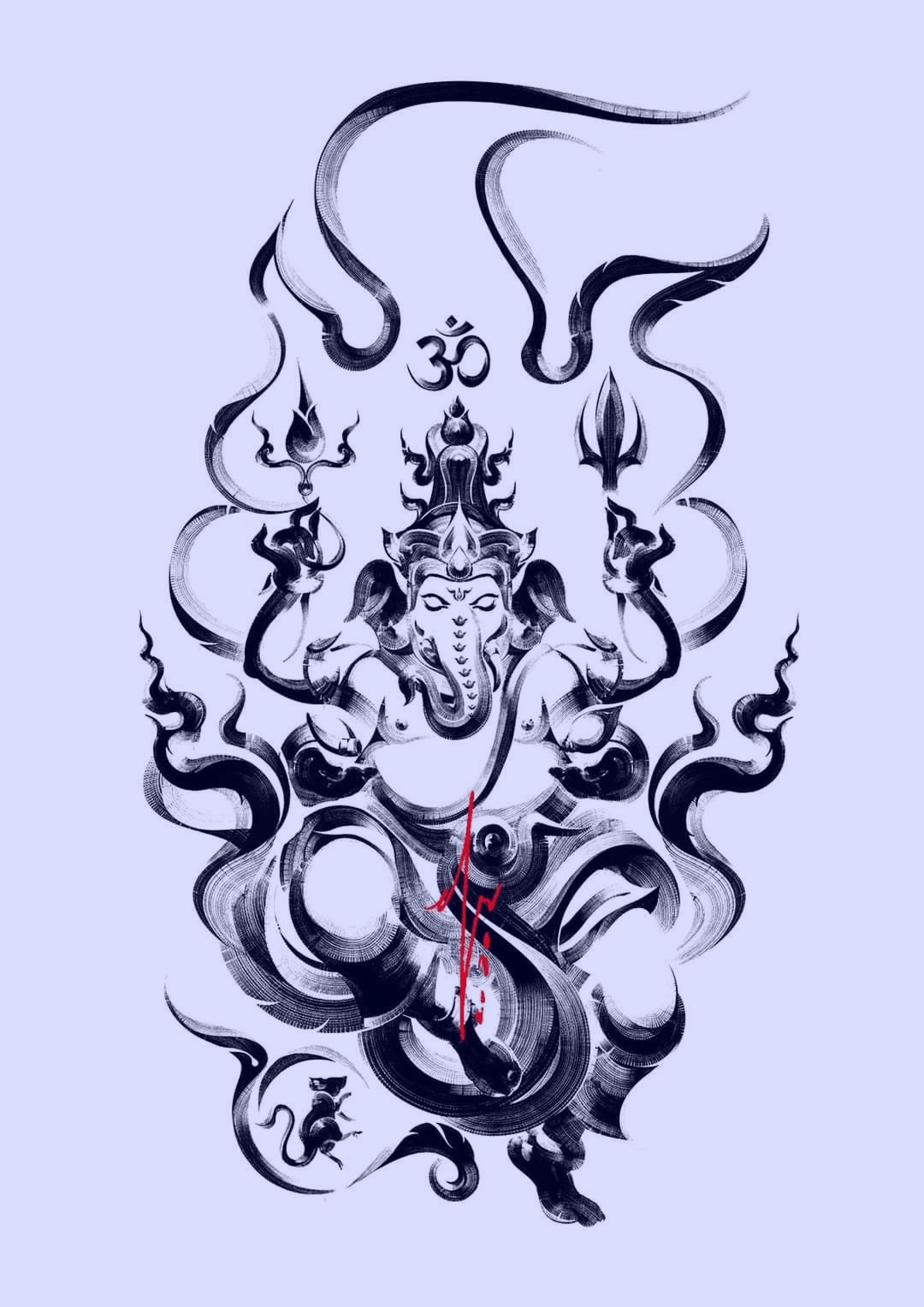
The stotra explains the symbolic meaning of Lord Ganesha’s form. His vehicle, the mouse (Mushaka), represents the restless human mind that moves quickly and secretly like a thief. When Ganesha rides the mouse, it symbolizes mastery over desires and ego. The four arms described in the hymn represent the four aspects of existence and spiritual power. Through these symbols, the stotra teaches that Ganapati governs both the material world and the inner spiritual path.
Why is this stotram associated with Lord Skanda (Kartikeya or Murugan)?
In Hindu tradition, Lord Skanda—also known as Kartikeya, Murugan, or Subrahmanya—is the divine brother of Lord Ganesha and a powerful deity of knowledge and spiritual warfare. In this hymn from the Mudgala Purana, Skanda himself praises Ganapati as the supreme yogic principle and the lord of wisdom. The stotra therefore symbolizes the harmony between the two divine brothers: Skanda representing divine courage and spiritual discipline, and Ganesha representing wisdom, intellect, and the removal of obstacles on the path to realization.



![Wallpaper Image for 'उग्र तारा कवचं स्तोत्र - Ugra Tara Devi Kavacha Stotram [Sanskrit Lyrics]'](/assets/image/tara-maa-mahavidya.webp?nf_resize=fit&w=600&format=webp)