What is Ketu Ashtottara Shatanamavali?
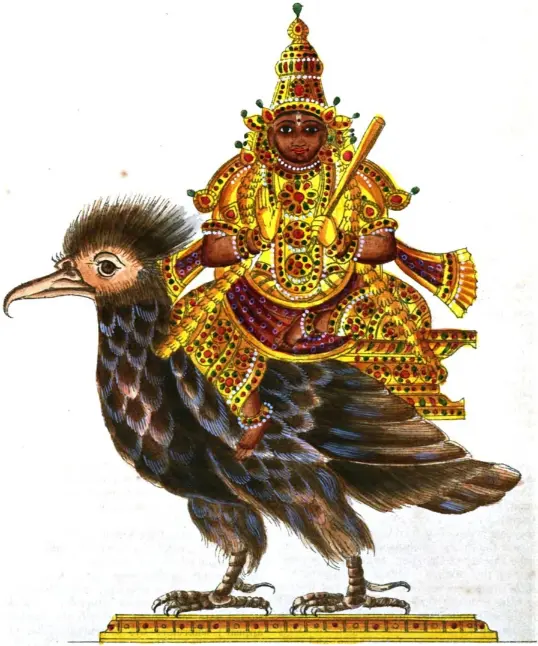
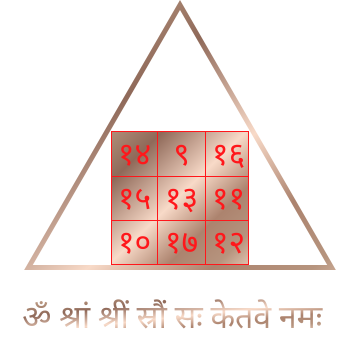
Ketu Ashtottara Shatanamavali is a sacred hymn containing 108 divine names of Lord Ketu, one of the shadow planets (Chhaya Grahas) in Vedic astrology. Each name glorifies Ketu’s mysterious and spiritual nature as the planet of detachment, intuition, and moksha (liberation). Chanting this Namavali helps balance karmic energy, dissolve confusion, and awaken higher wisdom by channeling Ketu’s transformative influence toward spiritual growth and self-realization.
Where do the 108 names of Lord Ketu come from?
The 108 names of Lord Ketu are derived from Vedic and Puranic scriptures such as the Brihat Parashara Hora Shastra, Skanda Purana, and Ketu Kavacha Stotra. These texts describe Ketu as the tail of the celestial serpent — Rahu being the head — symbolizing detachment from worldly illusions and deep insight into spiritual truth. The names in the Ketu Ashtottara Shatanamavali praise Him as Gyanadayaka (bestower of wisdom), Dhumraketu (smoky celestial force), and Mokshadata (giver of liberation).
What are the benefits of chanting Ketu Ashtottara Shatanamavali daily?
Chanting Ketu Ashtottara Shatanamavali daily clears confusion, enhances focus, and promotes detachment from anxiety and material stress. It strengthens spiritual discipline, intuition, and concentration, helping devotees find clarity and peace during periods of uncertainty. Regular recitation protects against deceit, hidden enemies, and sudden disruptions, while aiding in self-realization and emotional purification.
What are the astrological benefits of chanting Ketu Ashtottara Shatanamavali?
Astrologically, chanting Ketu Ashtottara Shatanamavali helps pacify Ketu Dosha and mitigate the negative effects of Ketu’s placement in one’s horoscope. Ketu governs karmic detachment, intuition, and spiritual insight. When afflicted, it may cause confusion, fear, or chronic issues; when balanced, it brings enlightenment, creativity, and self-mastery. This Namavali harmonizes Ketu’s shadow energy, removing obstacles caused by Rahu-Ketu transits and improving meditation, focus, and divine connection.
What is the best time to chant Ketu Ashtottara Shatanamavali?
The most auspicious day to chant Ketu Ashtottara Shatanamavali is Tuesday (Mangalvar) or Saturday (Shanivar), both associated with karmic purification. The ideal time is during Rahu Kalam or early morning Brahma Muhurta (4–6 a.m.). Facing the north-east direction while chanting enhances Ketu’s grounding energy. Lighting a lamp with sesame oil and offering white flowers, durva grass, or coconut strengthens the spiritual effects of the chant.
Can women chant Ketu Ashtottara Shatanamavali during their periods?
Yes. Women may chant Ketu Ashtottara Shatanamavali during menstruation if they feel peaceful and centered. Ketu represents transcendence beyond physical limitations, and sincere chanting during this time can help calm emotions and promote mindfulness. The practice is based on devotion and awareness rather than ritual restriction.
Can pregnant women safely chant Ketu Ashtottara Shatanamavali?
Yes, pregnant women can safely chant Ketu Ashtottara Shatanamavali. The vibration of Ketu’s 108 names promotes calmness, courage, and detachment from unnecessary fear or worry. It brings peace and spiritual protection to both mother and child. Chanting this Namavali gently and with devotion helps attract divine blessings and inner clarity during pregnancy.