What is the Achyutashtakam and who composed it?
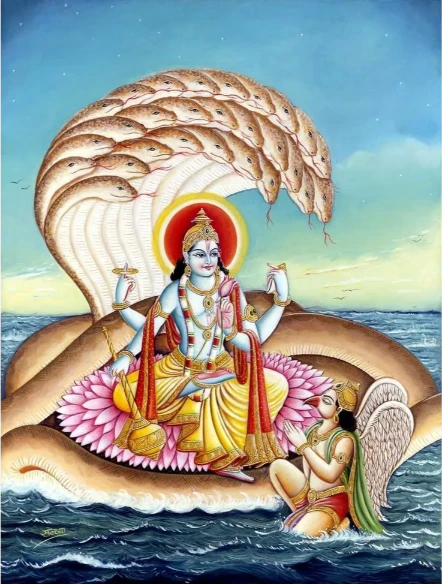
Achyuta Ashtakam stotra is a famous devotional hymn dedicated to Lord Vishnu and his incarnations such as Krishna and Rama. Composed by Adi Shankaracharya, the great philosopher and teacher of Advaita Vedanta, In the Achyutashtakam, the devotee lovingly praises the Supreme Lord through many divine names like Achyuta, Keshava, Narayana, Krishna, Damodara, and Rama. The verses beautifully describe both Vishnu’s cosmic nature and the charming forms of Krishna and Rama worshipped in the Vaishnava tradition.
What is the meaning of the Achyutashtakam prayer?
The Achyutashtakam glorifies the Supreme Lord through various sacred names and forms. The hymn praises Vishnu as Achyuta (the infallible one), Keshava (the slayer of the demon Keshi), Narayana (the sustainer of the universe), and Krishna, the beloved of the Gopis. It also remembers Rama as the protector of righteousness and the husband of Sita. Through these names, the stotra expresses deep devotion and recognizes that the same divine reality appears in many forms to protect devotees and restore dharma.
What are the spiritual benefits of chanting Achyutashtakam?
Chanting Achyutashtakam with devotion is believed to bring peace of mind, devotion (bhakti), and spiritual purification. The final verse of the hymn states that a person who recites this stotra daily with love attains the blessings of Lord Hari. Devotees believe it helps remove sins, strengthen faith in Vishnu, Krishna, and Rama, and cultivate humility and surrender to the Supreme Lord.
When is the best time to chant Achyutashtakam?
Achyutashtakam can be chanted daily during morning prayers, meditation, or Vishnu worship. Many devotees recite it on Ekadashi, during Krishna Janmashtami, Rama Navami, or during Vishnu-related festivals and pujas. Chanting the stotra in the early morning or evening with a calm mind and devotion is believed to deepen spiritual connection with Lord Vishnu.
Why is Achyutashtakam considered powerful in Bhakti tradition?
Achyutashtakam is considered powerful because it combines devotion, divine names, and vivid descriptions of the Lord’s beauty and compassion. In the Bhakti tradition, remembering the names and forms of Vishnu, Krishna, and Rama is believed to purify the heart and awaken love for the Supreme. The hymn encourages constant remembrance of the Lord, which is regarded as one of the simplest and most effective paths to spiritual realization.

![दुर्गा ३२ नाम माला स्तोत्र - [32 Names] Maa Durga Dwatrimsha Namavali Stotra Sanskrit Lyrics](/assets/image/32-names-durga-dvatrimshat-namavali-stotram-lyrics-meaning.webp?nf_resize=fit&w=300&format=webp)