What is the Durga Saptashloki Stotra?
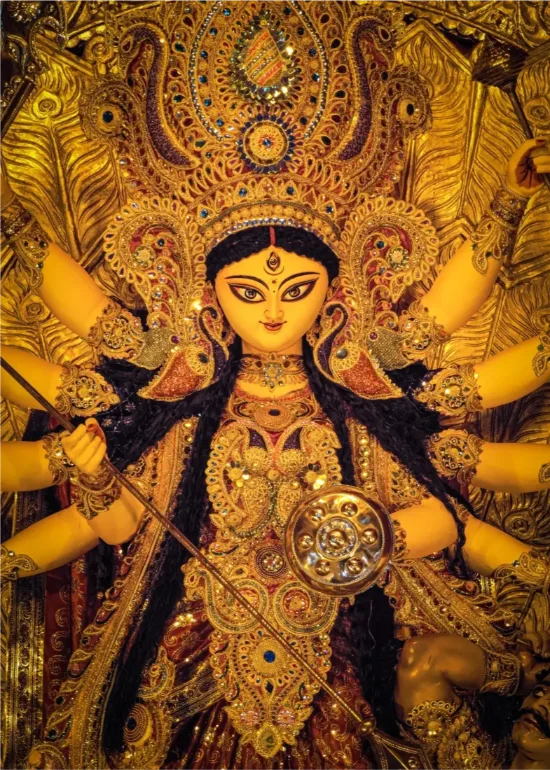
The Durga Saptashloki Stotra (दुर्गा सप्तश्लोकी स्तोत्र) is a sacred set of seven powerful verses extracted from the Devi Mahatmyam (Durga Saptashati) of the Markandeya Purana. These seven shlokas are considered the very essence of the 700-verse scripture and are believed to have been revealed by Goddess Durga herself to Lord Shiva as a secret key to divine protection, prosperity, and victory. Chanting them invokes all the powers of the Devi in just seven concise mantras.
Where does the Durga Saptashloki come from in Hindu scriptures?
The Durga Saptashloki is derived directly from the Devi Mahatmyam section of the Markandeya Purana, on being asked by Lord Shiva. In response, she reveals seven supreme verses representing her energy, compassion, and power. These shlokas encapsulate the essence of Shakti—the cosmic feminine force—and are widely recited in Shakta traditions across India during Navratri, Durga Puja, and daily sadhana.
What are the spiritual benefits of chanting the Durga Saptashloki daily?
Reciting the Durga Saptashloki daily grants divine protection (Raksha), removes obstacles, and fulfills righteous desires. Each verse shields the devotee from sorrow, fear, and misfortune while invoking blessings for health, wealth, knowledge, and peace. It purifies the aura, strengthens devotion, and connects the mind to the universal Shakti. The Saptashloki is often called the 'Seven-Verse Kavach' for its power to dissolve negative karmic patterns and attract divine grace.
What are the astrological and metaphysical benefits of the Durga Saptashloki Stotra?
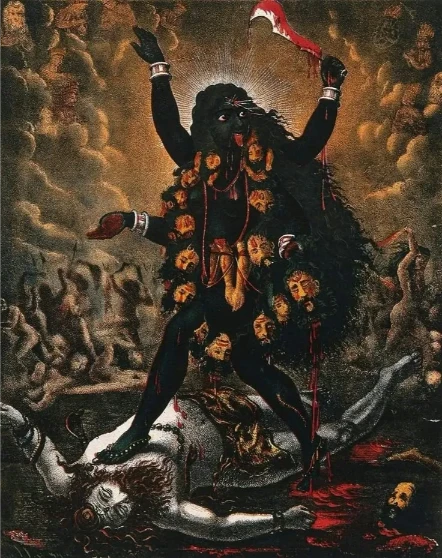
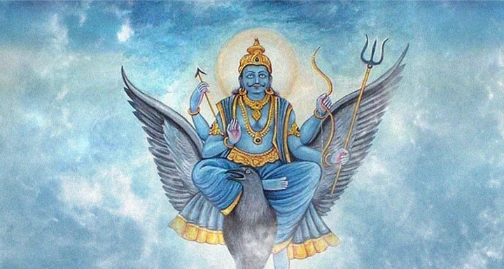
Astrologically, the Durga Saptashloki helps balance planetary afflictions from Rahu, Ketu, Saturn, and Mars. It is especially useful during Rahu Mahadasha, Shani Sade Sati, or Mangal Dosh. The seven verses vibrationally align with the seven chakras, energizing the body and removing blockages. Reciting them during Navratri or on Fridays harmonizes planetary energies and attracts divine protection, courage, and material prosperity under Maa Durga’s influence.
When is the best time to chant the Durga Saptashloki?
The best time to recite the Durga Saptashloki is at dawn (Brahma Muhurta) or during the evening Sandhya, when the mind is calm and receptive. It is especially auspicious during Navratri, Fridays, Ashtami, and Chaitra/Ashwin months. Devotees can chant it before starting any Durga Puja, Homa, or spiritual study. Lighting a ghee lamp and meditating on the form of the Devi before chanting enhances the spiritual effect.
Can pregnant women and householders chant the Durga Saptashloki Stotra?
Yes. The Durga Saptashloki is safe and highly beneficial for pregnant women, householders, and devotees of all ages. For expectant mothers, the verses invoke the nurturing aspect of Maa Durga for protection and emotional calm. For householders, it purifies the home atmosphere and brings harmony among family members. Chanting it with faith every morning or before travel invokes the Devi’s armour of safety and grace.
Should Durga Saptashloki be chanted alone or with the full Durga Saptashati?
The Durga Saptashloki can be chanted independently as a short daily prayer or as part of the full Durga Saptashati recitation. Traditionally, it is recited at the beginning or end of Durga Saptashati as an invocation and summary of the entire scripture. Even when chanted alone, the seven verses are believed to carry the complete power of the full text, providing spiritual upliftment and protection to the devotee.