What is the Ekadanta Ganesha Stotra?
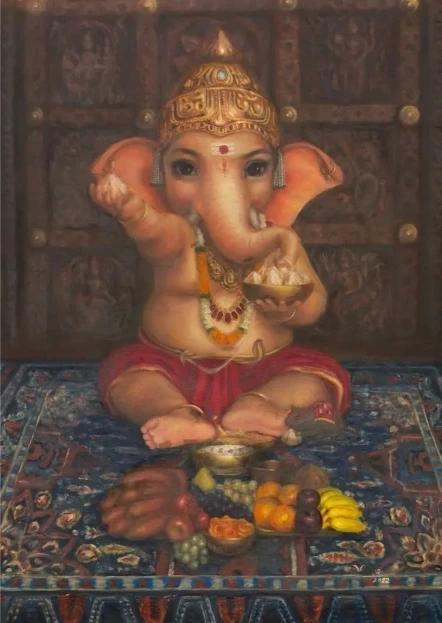
The Ekadanta Ganesha Stotra (एकदंत गणेश स्तोत्र) is a revered Sanskrit hymn composed by Adi Shankaracharya in praise of Lord Ganesha, the remover of obstacles and bestower of wisdom. The term 'Ekadanta' refers to Ganesha’s unique single-tusk form symbolizing sacrifice, knowledge, and balance. This stotra extols the divine attributes of Lord Ganapati as the embodiment of intellect, auspiciousness, and divine energy (Shakti). It is traditionally chanted to invoke his blessings before any new beginning or spiritual pursuit.
Who composed the Ekadanta Ganesha Stotra?
The Ekadanta Ganesha Stotra was composed by the great Advaita philosopher and saint, Adi Shankaracharya (8th century CE), as part of his devotional works dedicated to various deities. It draws from the Vedic and Puranic descriptions of Ganesha found in the Mudgala Purana and Ganesha Purana, where 'Ekadanta' is described as one of the eight primary forms (Ashta Vinayaka). This hymn blends philosophical depth with devotion, emphasizing surrender to Ganesha as the supreme remover of ignorance and ego.
What is the deeper meaning of the Ekadanta form of Ganesha?
The form of Ekadanta — the 'One-Tusked Lord' — represents the mastery of mind over matter and the balance of strength with compassion. His broken tusk symbolizes sacrifice and the pursuit of knowledge, as he is said to have used it to write the Mahabharata as Sage Vyasa dictated. In the Ekadanta Ganesha Stotra, this symbolism teaches humility, focus, and perseverance, reminding devotees that spiritual wisdom requires inner surrender and steadfast devotion.
What are the benefits of chanting the Ekadanta Ganesha Stotra daily?
Reciting the Ekadanta Ganesha Stotra daily helps remove obstacles (Vighnas), bring clarity of thought, and promote wisdom, focus, and success in studies and work. It invokes Ganesha’s blessings for prosperity, concentration, and peace of mind. The stotra harmonizes both intellect and intuition, helping devotees overcome fear, confusion, and self-doubt. Regular chanting purifies the aura, strengthens spiritual discipline, and aligns one’s karma with divine guidance.
What are the astrological benefits of chanting the Ekadanta Ganesha Stotra?
Astrologically, chanting the Ekadanta Ganesha Stotra pacifies malefic influences of Ketu (the planet linked to detachment, confusion, and past-life karma). It stabilizes energy during periods of Rahu-Ketu transit and brings mental peace during challenging dasha cycles. It is particularly beneficial for those facing obstacles in education, business, or family life. Devotees often recite it before starting new ventures, exams, or journeys to ensure auspicious outcomes and protection from negative energies.
When is the best time to recite the Ekadanta Ganesha Stotra?
The most auspicious times to chant the Ekadanta Ganesha Stotra are early morning during Brahma Muhurta (4:00–6:00 AM), before beginning any important task, or on Tuesdays and Chaturthi Tithis (especially Sankashti Chaturthi). Chanting it during Ganesh Chaturthi or Vinayaka Chaturthi magnifies its spiritual power. Facing east while lighting a ghee lamp and offering durva grass or modaks to Ganesha enhances the devotional energy of the recitation.
Can pregnant women chant the Ekadanta Ganesha Stotra?
Yes, pregnant women can safely chant the Ekadanta Ganesha Stotra. The hymn invokes the protective and nurturing energy of Lord Ganesha, ensuring emotional peace, positivity, and divine blessings for both mother and child. Reciting it during the early morning or before sleep helps reduce anxiety and promotes spiritual calmness throughout pregnancy. Many expectant mothers chant it to invite the benevolent protection of Vighnaharta and to ensure a smooth, blessed journey to motherhood.
Can students recite the Ekadanta Ganesha Stotra daily?
Yes, the Ekadanta Ganesha Stotra is especially recommended for students and learners. Lord Ganesha, also called Buddhiprada (the giver of wisdom), removes intellectual obstacles and enhances concentration, memory, and clarity of thought. Reciting this stotra daily before study sessions, exams, or important interviews brings confidence, mental calmness, and success in academic pursuits. Students can chant it on Tuesdays, Thursdays, or during Sankashti Chaturthi for best results.





![Wallpaper Image for 'अष्टादश श्लोकी भगवत गीता - Ashtadasha (18) Shloki Geeta [Sanskrit Lyrics]'](/assets/image/bhagwat-gita.webp?nf_resize=fit&w=600&format=webp)