What is Halasya Ashtakam Stotram (Varuna Krita Shiva Stuti)?
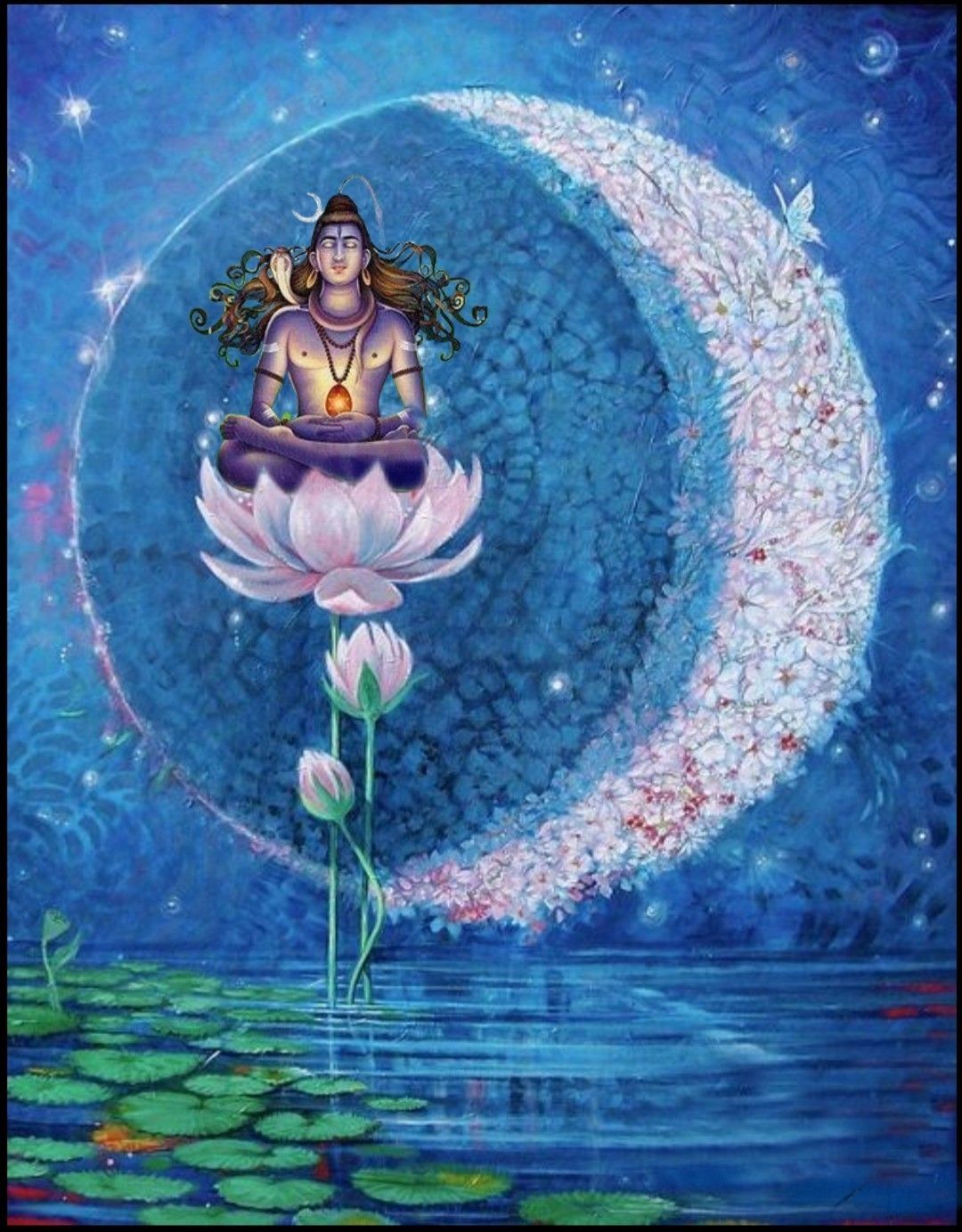
Halasya Ashtakam Stotram, also known as the Varuna‑kṛta śrīmad Hālāsyāṣṭakam, is a devotional eight‑verse hymn (ashtakam) composed by Varuna, the Vedic deity of cosmic waters, in praise of Lord Shiva. This stotram glorifies Shiva’s cosmic form, His compassion, and His supreme lordship as the protector and ruler residing in the sacred Halasya Kṣetra (modern‑day Thiruvaiyaru, Tamil Nādu). It is a revered hymn among Shaiva devotees for invoking Shiva’s grace and divine protection.
Where does Halasya Ashtakam Stotram come from?
The Halasya Ashtakam appears in the Halasya Mahatmya, a devotional Purāṇic text that celebrates the glory of Lord Shiva at Hālāsya, a sacred Shaiva pilgrimage site in South India. The stotram is traditionally attributed to Lord Varuna, who composed and sang these verses to honor Lord Shiva’s cosmic power and His abode in Halasya.
What are the benefits of chanting Halasya Ashtakam Stotram?
Chanting the Halasya Ashtakam Stotram helps devotees deepen their devotion to Lord Shiva, purify the mind, and cultivate spiritual focus. Regular recitation with devotion is believed to relieve suffering, remove fear, promote inner strength, and attract Shiva’s blessings of protection, peace, and steadfastness. Many devotees recite this stotram during Shaiva puja, festivals like Maha Shivaratri, or daily worship for emotional resilience and divine guidance.
What are the astrological benefits of chanting Halasya Ashtakam Stotram?
Astrologically, chanting Shiva hymns like Halasya Ashtakam is believed to help balance emotional energies associated with the Moon (Chandra), reduce anxiety and fear, and support stability during challenging periods influenced by Rahu–Ketu or Saturn (Shani). Lord Shiva’s compassionate and transformative energy aligns the mind with calmness and strength, making it beneficial during stressful planetary transits.
What is the best time to chant Halasya Ashtakam Stotram?
The most auspicious times to chant Halasya Ashtakam are early morning (Brahma Muhurta) or evening Sandhya when the mind is calm and receptive. Chanting during special Shiva observances such as Mondays, Maha Shivaratri, or while visiting a Shiva temple especially enhances its spiritual impact and invites divine grace.
Can women chant Halasya Ashtakam Stotram during their periods?
Yes. Women may chant or mentally recite Halasya Ashtakam Stotram during menstruation if they feel spiritually comfortable. In devotional Shaiva practice, heartfelt devotion and purity of intent are more important, and mental chanting still invokes Shiva’s blessings.
Can pregnant women safely chant Halasya Ashtakam Stotram?
Yes. Pregnant women can safely chant Halasya Ashtakam Stotram. The peaceful devotional vibrations of Shiva’s praise promote emotional comfort, inner strength, and serenity for both mother and child. Regular chanting can create a calm, spiritually uplifting environment during pregnancy.