What is the Vishnu Ashtakam composed by Narayana Guru?
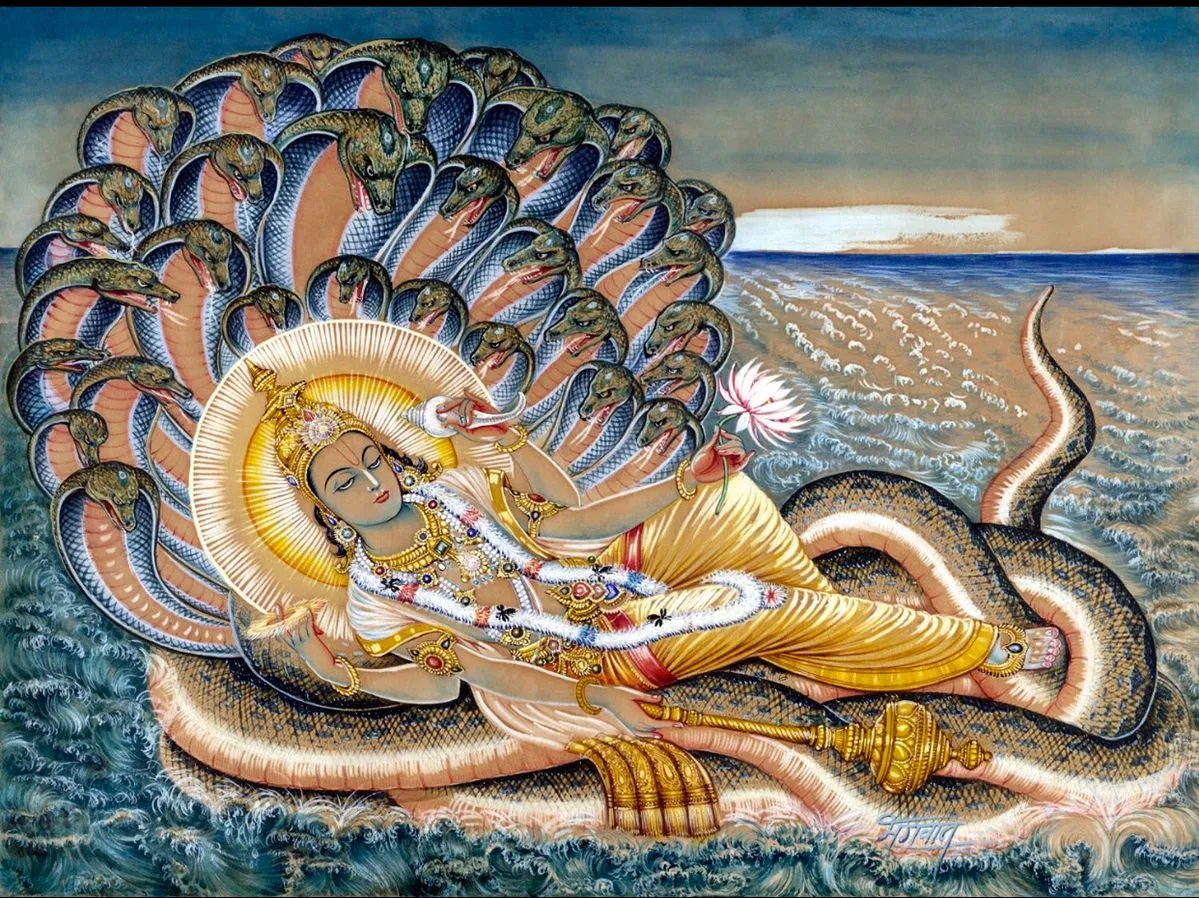
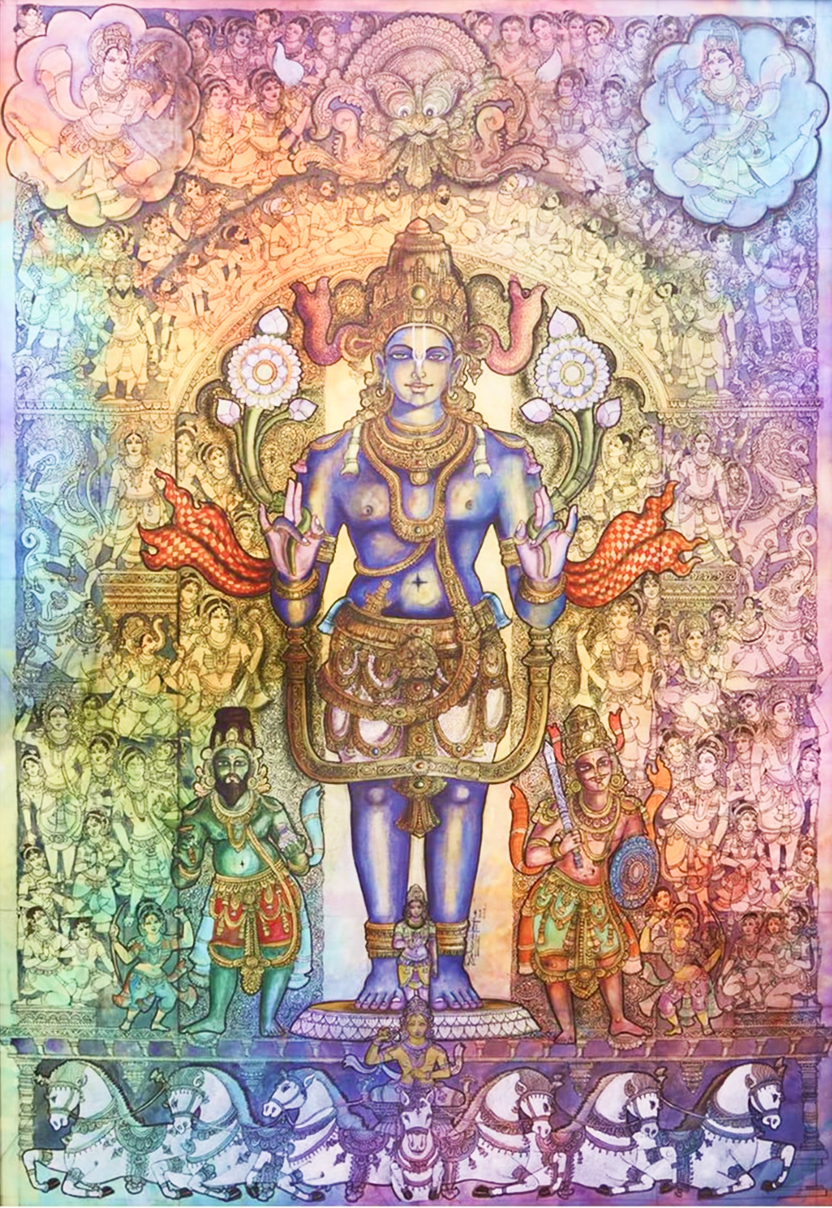
The Vishnu Ashtakam is a devotional eight-verse (ashtakam) hymn dedicated to Lord Vishnu, composed by the great Sri Narayana Guru. In this stotra, Lord Vishnu—also known as Narayana, Keshava, Mukunda, and Lakshmipati—is praised as the eternal protector of the universe and the compassionate preserver of dharma. The hymn describes Vishnu as the cosmic lord worshipped by Brahma, Shiva, and the gods, reclining on the serpent Ananta in the ocean of milk (Kshira Sagara). This Vishnu stotram is recited by devotees to invoke divine protection, spiritual wisdom, and the grace of Lord Narayana.
What is the meaning and spiritual message of the Vishnu Ashtakam?
The Vishnu Ashtakam glorifies Lord Vishnu as the supreme eternal being who sustains the universe and removes the suffering of devotees. The verses describe Vishnu as the lotus-eyed lord, the consort of Goddess Lakshmi, and the cosmic protector who incarnates repeatedly to restore dharma and destroy negativity. Spiritually, the stotra teaches surrender (prapatti) to Narayana, recognizing him as the ultimate refuge beyond worldly troubles. By meditating on Vishnu’s divine form—clad in yellow garments, adorned with a crown, and resting upon the serpent Ananta—devotees cultivate devotion, inner peace, and spiritual realization.
What are the benefits of chanting the Vishnu Ashtakam?
Anyone who recites the Vishnu Ashtakam with devotion becomes free from sins (papa) and ultimately attains the divine abode of Vishnu (Vishnu Loka). Devotees chant this Vishnu stotra to seek protection, spiritual purification, peace of mind, and divine blessings. The prayer is believed to remove obstacles, strengthen faith in Lord Narayana, and bring prosperity, harmony, and positive energy into life.
When is the best time to chant the Vishnu Ashtakam?
The Vishnu Ashtakam can be recited daily during morning prayers, meditation, or evening worship of Lord Vishnu. Many devotees chant it on auspicious days dedicated to Vishnu such as Ekadashi, Vaikuntha Ekadashi, and during festivals like Janmashtami or Rama Navami. Reciting the stotra with devotion while meditating on the form of Narayana or Keshava helps deepen bhakti and spiritual focus.
Why are the names Narayana, Keshava, and Mukunda used in the Vishnu Ashtakam?
The Vishnu Ashtakam uses many sacred names of Lord Vishnu such as Narayana, Keshava, Mukunda, and Lakshmisha to highlight different aspects of the divine. Narayana refers to the supreme cosmic being who pervades the universe, Keshava represents the beautiful and radiant form of Vishnu worshipped by the gods, and Mukunda signifies the giver of liberation (moksha). By chanting these names within the stotra, devotees connect with the many compassionate forms of Vishnu and seek his blessings for protection, wisdom, and spiritual liberation.
Why is Lord Vishnu described as resting on the serpent Ananta in the Vishnu Ashtakam Stotra?
In the hymn, Vishnu is described as reclining on the cosmic serpent Ananta (Shesha) in the ocean of milk, a well-known symbol in Hindu cosmology. This image represents the eternal nature of Vishnu as the preserver of the universe who remains calm and balanced even during cosmic cycles of creation and dissolution. The serpent Ananta symbolizes infinity, while the ocean of milk represents pure consciousness. Together, this symbolism teaches that Lord Narayana is the timeless foundation of the universe and the ultimate refuge for devotees.


![विष्णु अष्टकं स्तोत्र एवं फलश्रुति - Vishnu Ashtakam Stotram with Phalashruti [Sanskrit Lyrics]](/assets/image/shri-vishnu-ashtakam-meaning.webp?nf_resize=fit&w=1200)

![विष्णु नाम अष्टकं स्तोत्र अर्थ सहित - Vishnu Namashtakam Stotram with Meaning [Sanskrit Lyrics]](/assets/image/shri-vishnu-ashtakam-meaning.webp?nf_resize=fit&w=300&format=webp)