What is the Gayatri Ashtakam?
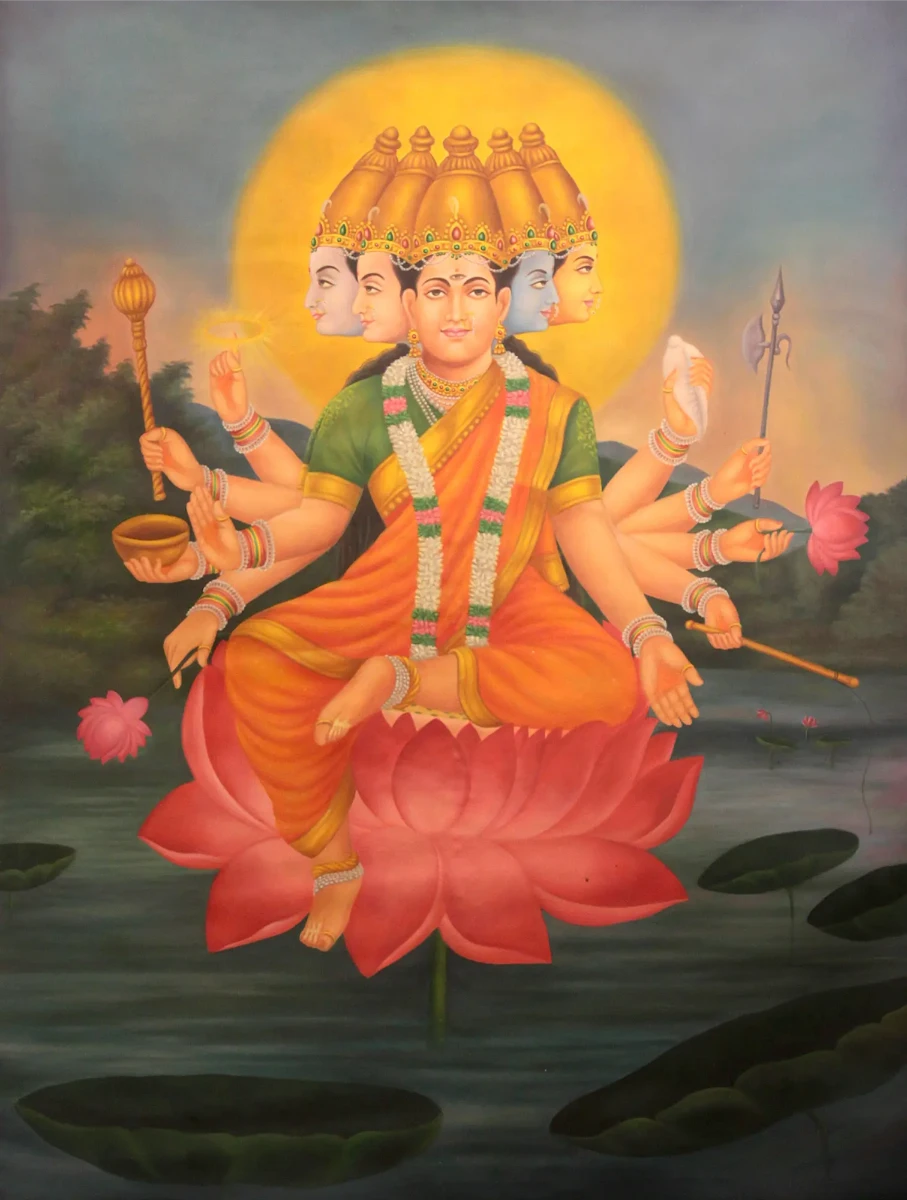
The Gayatri Ashtakam (गायत्र्यष्टकं) is a sacred Sanskrit hymn composed in eight verses in praise of the Gayatri Mantra, the supreme Vedic chant dedicated to the Sun deity (Savitr) and divine wisdom. Traditionally attributed to Śrīmat Paramahaṃsa Parivrājaka Ācārya Śrīmad Śaṅkarācārya, this Ashtakam glorifies the essence, power, and transformative influence of the Gayatri Mantra — considered the mother of all mantras and the path to knowledge, spiritual illumination, and liberation (moksha).
The Gayatri Ashtakam was written by whom?
The Gayatri Ashtakam was composed by Adi Shankaracharya, the 8th-century Advaita Vedanta philosopher and saint, as part of his devotional-philosophical corpus. It is based on the Vedic Gayatri Mantra (from the Rig Veda 3.62.10), expounding the mantra’s spiritual meaning, benefits, and meditative potency. The Ashtakam is revered in many Smarta and Vedantic traditions and recited in temples, gurukulas, and daily sadhanas for mental clarity and divine guidance.
What are the spiritual and practical benefits of chanting the Gayatri Ashtakam?
Chanting the Gayatri Ashtakam activates the transformative energy of the Gayatri Mantra, purifying thoughts, strengthening intellect, and removing ignorance. It enhances memory, focus, and emotional stability while strengthening one’s intuitive capacity and inner peace. Devotees experience calmer minds, clearer decision-making, spiritual upliftment, and increased clarity in meditation practice. The combined vibration of the eight verses opens the inner light (Buddhi) and aligns the chanter with universal wisdom.
What are the astrological and energetic benefits of the Gayatri Ashtakam?
Astrologically, the Gayatri Ashtakam enhances the influence of Sun (Surya) and Mercury (Budha) — key planets associated with life force, intellect, and communication. Chanting it regularly can balance solar energy for confidence and self-esteem, and strengthen mental clarity influenced by Mercury. The chant’s tone also harmonizes the nervous system and subtle energy centers (chakras), especially the Ajna (third eye) and Vishuddha (throat) chakras, improving concentration, intuition, and effective communication.
When is the best time to recite the Gayatri Ashtakam?
The most powerful times to chant the Gayatri Ashtakam are during Brahma Muhurta (pre-dawn) and at sunrise (Sandhya), when the influence of the Sun is strongest and the mind is calm. It is also auspicious to recite during Ekadashi, full moon (Purnima), equinoxes, and before meditation or study sessions. Facing east toward the rising Sun while chanting enhances its spiritual potency and aligns the devotee with solar consciousness.
Can pregnant women chant the Gayatri Ashtakam?
Yes! Pregnant women can safely and beneficially chant the Gayatri Ashtakam or listen to its recitation. The mantra’s peaceful vibrations promote emotional balance, inner strength, and protective energy for both mother and child. Reciting it during early morning or before sleep helps reduce stress and supports a calm, harmonious environment, inviting the blessings of Savitr (the solar deity of life) for health, clarity, and stability throughout pregnancy.
Can students chant the Gayatri Ashtakam for study and focus?
Absolutely! Students and learners can chant the Gayatri Ashtakam to enhance concentration, memory, and understanding. The Gayatri Mantra is associated with Buddhi (intellect) and cognitive clarity, and its eight-verse expansion deepens mental focus and academic performance. Reciting before study sessions, exams, or important presentations invokes mental agility, confidence, and clarity of thought, making it a respected chant for intellectual success.
How should one chant or practice the Gayatri Ashtakam?
Chant the Gayatri Ashtakam with sincerity, proper pronunciation, and focused awareness. Sit comfortably in a clean, quiet space facing east. Light a diya or incense if available, and begin with the traditional Om and a brief prayer to Guru and Savitr before recitation. Beginners may start with one round daily and gradually increase to three or more. Chant slowly, contemplating the meaning of each verse for deeper inner resonance and spiritual connection.