

श्रीगणेशाय नमः ।
हिमवानुवाच ।
का त्वं देवि विशालाक्षि शशाङ्कावयवाङ्किते ।
न जाने त्वामहं वत्से यथावद् ब्रूहि पृच्छते ॥१॥

गिरीन्द्रवचनं श्रुत्वा ततः सा परमेश्वरी ।
व्याजहार महाशैलं योगिनामभयप्रदा ॥२॥

देव्युवाच ।
मां विद्धि परमां शक्तिं परमेश्वरसमाश्रयाम् ।
अनन्यामव्ययामेकां यां पश्यन्ति मुमुक्षवः ॥३॥

अहं वै सर्वभावानामात्मा सर्वान्तरा शिवा ।
शाश्वतैश्वर्यविज्ञानमूर्तिः सर्वप्रवर्तिका ॥४॥

अनन्ताऽनन्तमहिमा संसारार्णवतारिणी ।
दिव्यं ददामि ते चक्षुः पश्य मे रूपमैश्वरम् ॥५॥

एतावदुक्त्वा विज्ञानं दत्त्वा हिमवते स्वयम् ।
स्वं रूपं दर्शयामास दिव्यं तत् पारमेश्वरम् ॥६॥

कोटिसूर्यप्रतीकाशं तेजोबिम्बं निराकुलम् ।
ज्वालामालासहस्राढ्यं कालानलशतोपमम् ॥७॥

दंष्ट्राकरालं दुर्धर्षं जटामण्डलमण्डितम् ।
त्रिशूलवरहस्तं च घोररूपं भयानकम् ॥८॥

प्रशान्तं सौम्यवदनमनन्ताश्चर्यसंयुतम् ।
चन्द्रावयवलक्ष्माणं चन्द्रकोटिसमप्रभम् ॥९॥

किरीटिनं गदाहस्तं नूपुरैरुपशोभितम् ।
दिव्यमाल्याम्बरधरं दिव्यगन्धानुलेपनम् ॥१०॥

शङ्खचक्रधरं काम्यं त्रिनेत्रं कृत्तिवाससम् ।
अण्डस्थं चाण्डबाह्यस्थं बाह्यमाभ्यन्तरं परम् ॥११॥

सर्वशक्तिमयं शुभ्रं सर्वाकारं सनातनम् ।
ब्रह्मेन्द्रोपेन्द्रयोगीन्द्रैर्वन्द्यमानपदाम्बुजम् ॥१२॥

सर्वतः पाणिपादान्तं सर्वतोऽक्षिशिरोमुखम् ।
सर्वमावृत्य तिष्ठन्तं ददर्श परमेश्वरम् ॥१३॥

दृष्ट्वा तदीदृशं रूपं देव्या माहेश्वरं परम् ।
भयेन च समाविष्टः स राजा हृष्टमानसः ॥१४॥

आत्मन्याधाय चात्मानमोङ्कारं समनुस्मरन् ।
नाम्नामष्टसहस्रेण तुष्टाव परमेश्वरीम् ॥१५॥

हिमवानुवाच ।
ॐ शिवोमा परमा शक्तिरनन्ता निष्कलाऽमला ।
शान्ता माहेश्वरी नित्या शाश्वती परमाक्षरा ॥१॥

अचिन्त्या केवलाऽनन्त्या शिवात्मा परमात्मिका ।
अनादिरव्यया शुद्धा देवात्मा सर्वगाऽचला ॥२॥

एकानेकविभागस्था मायातीता सुनिर्मला ।
महामाहेश्वरी सत्या महादेवी निरञ्जना ॥३॥

काष्ठा सर्वान्तरस्था च चिच्छक्तिरतिलालसा ।
नन्दा सर्वात्मिका विद्या ज्योतीरूपाऽमृताक्षरा ॥४॥

शान्तिः प्रतिष्ठा सर्वेषां निवृत्तिरमृतप्रदा ।
व्योममूर्तिर्व्योमलया व्योमाधाराऽच्युताऽमरा ॥५॥

अनादिनिधनाऽमोघा कारणात्मा कलाऽकला ।
क्रतुः प्रथमजा नाभिरमृतस्यात्मसंश्रया ॥६॥

प्राणेश्वरप्रिया माता महामहिषघातिनी ।
प्राणेश्वरी प्राणरूपा प्रधानपुरुषेश्वरी ॥७॥

सर्वशक्तिकलाकारा ज्योत्स्ना द्यौर्महिमास्पदा ।
सर्वकार्यनियन्त्री च सर्वभूतेश्वरेश्वरी ॥८॥

अनादिरव्यक्तगुहा महानन्दा सनातनी ।
आकाशयोनिर्योगस्था महायोगेश्वरेश्वरी ॥९॥

महामाया सुदुष्पूरा मूलप्रकृतिरीश्वरी ।
संसारयोनिः सकला सर्वशक्तिसमुद्भवा ॥१०॥

संसारपारा दुर्वारा दुर्निरीक्ष्या दुरासदा ।
प्राणशक्तिः प्राणविद्या योगिनी परमा कला ॥११॥

महाविभूतिर्दुर्धर्षा मूलप्रकृतिसंभवा ।
अनाद्यनन्तविभवा परार्था पुरुषारणिः ॥१२॥

सर्गस्थित्यन्तकरणी सुदुर्वाच्या दुरत्यया ।
शब्दयोनिः शब्दमयी नादाख्या नादविग्रहा ॥१३॥

प्रधानपुरुषातीता प्रधानपुरुषात्मिका ।
पुराणी चिन्मयी पुंसामादिः पुरुषरूपिणी ॥१४॥

भूतान्तरात्मा कूटस्था महापुरुषसंज्ञिता ।
जन्ममृत्युजरातीता सर्वशक्तिसमन्विता ॥१५॥

व्यापिनी चानवच्छिन्ना प्रधानानुप्रवेशिनी ।
क्षेत्रज्ञशक्तिरव्यक्तलक्षणा मूलवर्जिता ॥१६॥

अनादिमायासंभिन्ना त्रितत्त्वा प्रकृतिर्गुहा ।
महामायासमुत्पन्ना तामसी पौरुषी ध्रुवा ॥१७॥

व्यक्ताव्यक्तात्मिका कृष्णा रक्ता शुक्ला प्रसूतिका ।
अकार्या कार्यजननी नित्यं प्रसवधर्मिणी ॥१८॥

सर्गप्रलयनिर्मुक्ता सृष्टिस्थित्यन्तधर्मिणी ।
ब्रह्मगर्भा चतुर्विंशा पद्मनाभाऽच्युतात्मिका ॥१९॥

वैद्युती शाश्वती योनिर्जगन्मातेश्वरप्रिया ।
सर्वाधारा महारूपा सर्वैश्वर्यसमन्विता ॥२०॥

विश्वरूपा महागर्भा विश्वेशेच्छानुवर्तिनी ।
महीयसी ब्रह्मयोनिर्महालक्ष्मीसमुद्भवा ॥२१॥

महाविमानमध्यस्था महानिद्रात्महेतुका ।
सर्वसाधारणी सूक्ष्मा ह्यविद्या पारमार्थिका ॥२२॥

अनन्तरूपाऽनन्तस्था देवी पुरुषमोहिनी ।
अनेकाकारसंस्थाना कालत्रयविवर्जिता ॥२३॥

ब्रह्मजन्मा हरेर्मूर्तिर्ब्रह्मविष्णुशिवात्मिका ।
ब्रह्मेशविष्णुजननी ब्रह्माख्या ब्रह्मसंश्रया ॥२४॥

व्यक्ता प्रथमजा ब्राह्मी महती ज्ञानरूपिणी ।
वैराग्यैश्वर्यधर्मात्मा ब्रह्ममूर्तिर्हृदिस्थिता ।
अपांयोनिः स्वयंभूतिर्मानसी तत्त्वसंभवा ॥२५॥

ईश्वराणी च शर्वाणी शंकरार्धशरीरिणी ।
भवानी चैव रुद्राणी महालक्ष्मीरथाम्बिका ॥२६॥

महेश्वरसमुत्पन्ना भुक्तिमुक्तिफलप्रदा ।
सर्वेश्वरी सर्ववन्द्या नित्यं मुदितमानसा ॥२७॥

ब्रह्मेन्द्रोपेन्द्रनमिता शंकरेच्छानुवर्तिनी ।
ईश्वरार्धासनगता महेश्वरपतिव्रता ॥२८॥

सकृद्विभाविता सर्वा समुद्रपरिशोषिणी ।
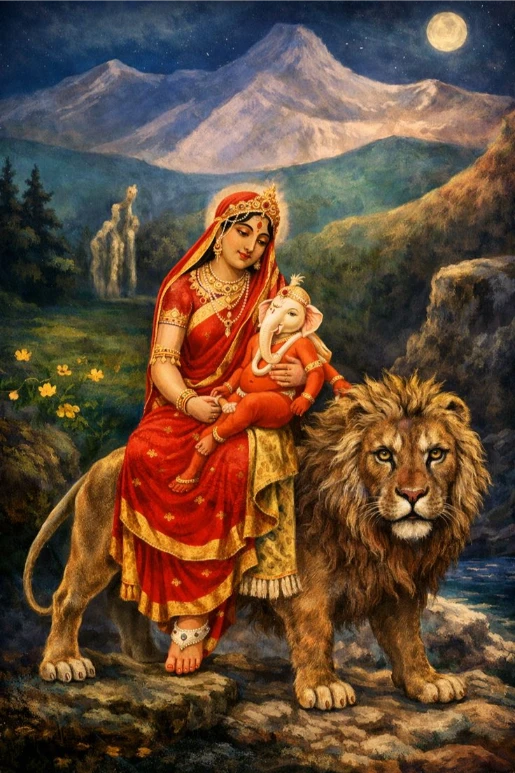
पार्वती हिमवत्पुत्री परमानन्ददायिनी ॥२९॥

गुणाढ्या योगजा योग्या ज्ञानमूर्तिर्विकासिनी ।
सावित्री कमला लक्ष्मीः श्रीरनन्तोरसि स्थिता ॥३०॥

सरोजनिलया मुद्रा योगनिद्रा सुरार्दिनी ।
सरस्वती सर्वविद्या जगज्ज्येष्ठा सुमङ्गला ॥३१॥

वाग्देवी वरदा वाच्या कीर्तिः सर्वार्थसाधिका ।
योगीश्वरी ब्रह्मविद्या महाविद्या सुशोभना ॥३२॥

गुह्यविद्यात्मविद्या च धर्मविद्यात्मभाविता ।
स्वाहा विश्वंभरा सिद्धिः स्वधा मेधा धृतिः श्रुतिः ॥३३॥

नीतिः सुनीतिः सुकृतिर्माधवी नरवाहिनी ।
अजा विभावरी सौम्या भोगिनी भोगदायिनी ॥३४॥

शोभा वंशकरी लोला मालिनी परमेष्ठिनी ।
त्रैलोक्यसुन्दरी रम्या सुन्दरी कामचारिणी ॥३५॥

महानुभावा सत्त्वस्था महामहिषमर्दनी ।
पद्ममाला पापहरा विचित्रा मुकुटानना ॥३६॥

कान्ता चित्राम्बरधरा दिव्याभरणभूषिता ।
हंसाख्या व्योमनिलया जगत्सृष्टिविवर्धिनी ॥३७॥

निर्यन्त्रा यन्त्रवाहस्था नन्दिनी भद्रकालिका ।
आदित्यवर्णा कौमारी मयूरवरवाहिनी ॥३८॥

वृषासनगता गौरी महाकाली सुरार्चिता ।
अदितिर्नियता रौद्री पद्मगर्भा विवाहना ॥३९॥

विरूपाक्षी लेलिहाना महापुरनिवासिनी ।
महाफलाऽनवद्याङ्गी कामपूरा विभावरी ॥४०॥

विचित्ररत्नमुकुटा प्रणतार्तिप्रभञ्जनी ।
कौशिकी कर्षणी रात्रिस्त्रिदशार्त्तिविनाशिनी ॥४१॥

बहुरूपा सुरूपा च विरूपा रूपवर्जिता ।
भक्तार्तिशमनी भव्या भवभावविनाशिनी ॥४२॥

निर्गुणा नित्यविभवा निःसारा निरपत्रपा ।
यशस्विनी सामगीतिर्भवाङ्गनिलयालया ॥४३॥

दीक्षा विद्याधरी दीप्ता महेन्द्रविनिपातिनी ।
सर्वातिशायिनी विद्या सर्वसिद्धिप्रदायिनी ॥४४॥

सर्वेश्वरप्रिया तार्क्ष्या समुद्रान्तरवासिनी ।
अकलङ्का निराधारा नित्यसिद्धा निरामया ॥४५॥

कामधेनुर्बृहद्गर्भा धीमती मोहनाशिनी ।
निःसङ्कल्पा निरातङ्का विनया विनयप्रदा ॥४६॥

ज्वालामाला सहस्राढ्या देवदेवी मनोन्मनी ।
महाभगवती दुर्गा वासुदेवसमुद्भवा ॥४७॥

महेन्द्रोपेन्द्रभगिनी भक्तिगम्या परावरा ।
ज्ञानज्ञेया जरातीता वेदान्तविषया गतिः ॥४८॥

दक्षिणा दहना दाह्या सर्वभूतनमस्कृता ।
योगमाया विभावज्ञा महामाया महीयसी ॥४९॥

संध्या सर्वसमुद्भूतिर्ब्रह्मवृक्षाश्रयानतिः ।
बीजाङ्कुरसमुद्भूतिर्महाशक्तिर्महामतिः ॥५०॥

ख्यातिः प्रज्ञा चितिः संवित् महाभोगीन्द्रशायिनी ।
विकृतिः शांकरी शास्त्री गणगन्धर्वसेविता ॥५१॥

वैश्वानरी महाशाला देवसेना गुहप्रिया ।
महारात्रिः शिवानन्दा शची दुःस्वप्ननाशिनी ॥५२॥

इज्या पूज्या जगद्धात्री दुर्विज्ञेया सुरूपिणी ।
गुहाम्बिका गुणोत्पत्तिर्महापीठा मरुत्सुता ॥५३॥

हव्यवाहान्तर्यागादिः हव्यवाहसमुद्भवा ।
जगद्योनिर्जगन्माता जन्ममृत्युजरातिगा ॥५४॥

बुद्धिमाता बुद्धिमती पुरुषान्तरवासिनी ।
तरस्विनी समाधिस्था त्रिनेत्रा दिवि संस्थिता ॥५५॥

सर्वेन्द्रियमनोमाता सर्वभूतहृदि स्थिता ।
संसारतारिणी विद्या ब्रह्मवादिमनोलया ॥५६॥

ब्रह्माणी बृहती ब्राह्मी ब्रह्मभूता भवारणिः ।
हिरण्मयी महारात्रिः संसारपरिवर्त्तिका ॥५७॥

सुमालिनी सुरूपा च भाविनी तारिणी प्रभा ।
उन्मीलनी सर्वसहा सर्वप्रत्ययसाक्षिणी ॥५८॥

सुसौम्या चन्द्रवदना ताण्डवासक्तमानसा ।
सत्त्वशुद्धिकरी शुद्धिर्मलत्रयविनाशिनी ॥५९॥

जगत्प्रिया जगन्मूर्तिस्त्रिमूर्तिरमृताश्रया ।
निराश्रया निराहारा निरङ्कुरवनोद्भवा ॥६०॥

चन्द्रहस्ता विचित्राङ्गी स्रग्विणी पद्मधारिणी ।
परावरविधानज्ञा महापुरुषपूर्वजा ॥६१॥

विद्येश्वरप्रिया विद्या विद्युज्जिह्वा जितश्रमा ।
विद्यामयी सहस्राक्षी सहस्रवदनात्मजा ॥६२॥

सहस्ररश्मिः सत्त्वस्था महेश्वरपदाश्रया ।
क्षालिनी सन्मयी व्याप्ता तैजसी पद्मबोधिका ॥६३॥

महामायाश्रया मान्या महादेवमनोरमा ।
व्योमलक्ष्मीः सिंहरथा चेकितानाऽमितप्रभा ॥६४॥

वीरेश्वरी विमानस्था विशोका शोकनाशिनी ।
अनाहता कुण्डलिनी नलिनी पद्मवासिनी ॥६५॥

सदानन्दा सदाकीर्तिः सर्वभूताश्रयस्थिता ।
वाग्देवता ब्रह्मकला कलातीता कलारणिः ॥६६॥

ब्रह्मश्रीर्ब्रह्महृदया ब्रह्मविष्णुशिवप्रिया ।
व्योमशक्तिः क्रियाशक्तिर्ज्ञानशक्तिः परागतिः ॥६७॥

क्षोभिका बन्धिका भेद्या भेदाभेदविवर्जिता ।
अभिन्नाभिन्नसंस्थाना वंशिनी वंशहारिणी ॥६८॥

गुह्यशक्तिर्गुणातीता सर्वदा सर्वतोमुखी ।
भगिनी भगवत्पत्नी सकला कालकारिणी ॥६९॥

सर्ववित् सर्वतोभद्रा गुह्यातीता गुहारणिः ।
प्रक्रिया योगमाता च गङ्गा विश्वेश्वरेश्वरी ॥७०॥

कपिला कापिला कान्ता कनकाभा कलान्तरा ।
पुण्या पुष्करिणी भोक्त्री पुरंदरपुरस्सरा ॥७१॥

पोषणी परमैश्वर्यभूतिदा भूतिभूषणा ।
पञ्चब्रह्मसमुत्पत्तिः परमार्थार्थविग्रहा ॥७२॥

धर्मोदया भानुमती योगिज्ञेया मनोजवा ।
मनोहरा मनोरक्षा तापसी वेदरूपिणी ॥७३॥

वेदशक्तिर्वेदमाता वेदविद्याप्रकाशिनी ।
योगेश्वरेश्वरी माता महाशक्तिर्मनोमयी ॥७४॥

विश्वावस्था वियन्मूर्तिर्विद्युन्माला विहायसी ।
किन्नरी सुरभी वन्द्या नन्दिनी नन्दिवल्लभा ॥७५॥

भारती परमानन्दा परापरविभेदिका ।
सर्वप्रहरणोपेता काम्या कामेश्वरेश्वरी ॥७६॥

अचिन्त्याऽचिन्त्यविभवा हृल्लेखा कनकप्रभा ।
कूष्माण्डी धनरत्नाढ्या सुगन्धा गन्धदायिनी ॥७७॥

त्रिविक्रमपदोद्भूता धनुष्पाणिः शिवोदया ।
सुदुर्लभा धनाध्यक्षा धन्या पिङ्गललोचना ॥७८॥

शान्तिः प्रभावती दीप्तिः पङ्कजायतलोचना ।
आद्या हृत्कमलोद्भूता गवां माता रणप्रिया ॥७९॥

सत्क्रिया गिरिजा शुद्धा नित्यपुष्टा निरन्तरा ।
दुर्गाकात्यायनी चण्डी चर्चिका शान्तविग्रहा ॥८०॥

हिरण्यवर्णा रजनी जगद्यन्त्रप्रवर्तिका ।
मन्दराद्रिनिवासा च शारदा स्वर्णमालिनी ॥८१॥

रत्नमाला रत्नगर्भा पृथ्वी विश्वप्रमाथिनी ।
पद्मानना पद्मनिभा नित्यतुष्टाऽमृतोद्भवा ॥८२॥

धुन्वती दुःप्रकम्प्या च सूर्यमाता दृषद्वती ।
महेन्द्रभगिनी मान्या वरेण्या वरदर्पिता ॥८३॥

कल्याणी कमला रामा पञ्चभूता वरप्रदा ।
वाच्या वरेश्वरी वन्द्या दुर्जया दुरतिक्रमा ॥८४॥

कालरात्रिर्महावेगा वीरभद्रप्रिया हिता ।
भद्रकाली जगन्माता भक्तानां भद्रदायिनी ॥८५॥

कराला पिङ्गलाकारा नामभेदाऽमहामदा ।
यशस्विनी यशोदा च षडध्वपरिवर्त्तिका ॥८६॥

शङ्खिनी पद्मिनी सांख्या सांख्ययोगप्रवर्तिका ।
चैत्रा संवत्सरारूढा जगत्संपूरणीन्द्रजा ॥८७॥

शुम्भारिः खेचरी स्वस्था कम्बुग्रीवा कलिप्रिया ।
खगध्वजा खगारूढा परार्ध्या परमालिनी ॥८८॥

ऐश्वर्यवर्त्मनिलया विरक्ता गरुडासना ।
जयन्ती हृद्गुहा रम्या गह्वरेष्ठा गणाग्रणीः ॥८९॥

संकल्पसिद्धा साम्यस्था सर्वविज्ञानदायिनी ।
कलिकल्मषहन्त्री च गुह्योपनिषदुत्तमा ॥९०॥

निष्ठा दृष्टिः स्मृतिर्व्याप्तिः पुष्टिस्तुष्टिः क्रियावती ।
विश्वामरेश्वरेशाना भुक्तिर्मुक्तिः शिवाऽमृता ॥९१॥

लोहिता सर्पमाला च भीषणी वनमालिनी ।
अनन्तशयनाऽनन्या नरनारायणोद्भवा ॥९२॥

नृसिंही दैत्यमथनी शङ्खचक्रगदाधरा ।
संकर्षणसमुत्पत्तिरम्बिकापादसंश्रया ॥९३॥

महाज्वाला महामूर्तिः सुमूर्तिः सर्वकामधुक् ।
सुप्रभा सुस्तना गौरी धर्मकामार्थमोक्षदा ॥९४॥

भ्रूमध्यनिलया पूर्वा पुराणपुरुषारणिः ।
महाविभूतिदा मध्या सरोजनयना समा ॥९५॥

अष्टादशभुजाऽनाद्या नीलोत्पलदलप्रभा ।
सर्वशक्त्यासनारूढा धर्माधर्मार्थवर्जिता ॥९६॥

वैराग्यज्ञाननिरता निरालोका निरिन्द्रिया ।
विचित्रगहनाधारा शाश्वतस्थानवासिनी ॥९७॥

स्थानेश्वरी निरानन्दा त्रिशूलवरधारिणी ।
अशेषदेवतामूर्तिर्देवता वरदेवता ।
गणाम्बिका गिरेः पुत्री निशुम्भविनिपातिनी ॥९८॥

अवर्णा वर्णरहिता निवर्णा बीजसंभवा ।
अनन्तवर्णाऽनन्यस्था शंकरी शान्तमानसा ॥९९॥

अगोत्रा गोमती गोप्त्री गुह्यरूपा गुणोत्तरा ।
गौर्गीर्गव्यप्रिया गौणी गणेश्वरनमस्कृता ॥१००॥

सत्यमात्रा सत्यसंधा त्रिसंध्या संधिवर्जिता ।
सर्ववादाश्रया संख्या सांख्ययोगसमुद्भवा ॥१०१॥

असंख्येयाऽप्रमेयाख्या शून्या शुद्धकुलोद्भवा ।
बिन्दुनादसमुत्पत्तिः शंभुवामा शशिप्रभा ॥१०२॥

विसङ्गा भेदरहिता मनोज्ञा मधुसूदनी ।
महाश्रीः श्रीसमुत्पत्तिस्तमःपारे प्रतिष्ठिता ॥१०३॥

त्रितत्त्वमाता त्रिविधा सुसूक्ष्मपदसंश्रया ।
शान्त्यतीता मलातीता निर्विकारा निराश्रया ॥१०४॥

शिवाख्या चित्तनिलया शिवज्ञानस्वरूपिणी ।
दैत्यदानवनिर्मात्री काश्यपी कालकल्पिका ॥१०५॥

शास्त्रयोनिः क्रियामूर्तिश्चतुर्वर्गप्रदर्शिका ।
नारायणी नरोद्भूतिः कौमुदी लिङ्गधारिणी ॥१०६॥

कामुकी ललिता भावा परापरविभूतिदा ।
परान्तजातमहिमा बडवा वामलोचना ॥१०७॥

सुभद्रा देवकी सीता वेदवेदाङ्गपारगा ।
मनस्विनी मन्युमाता महामन्युसमुद्भवा ॥१०८॥

अमृत्युरमृता स्वाहा पुरुहूता पुरुष्टुता ।
अशोच्या भिन्नविषया हिरण्यरजतप्रिया ॥१०९॥

हिरण्या राजती हैमी हेमाभरणभूषिता ।
विभ्राजमाना दुर्ज्ञेया ज्योतिष्टोमफलप्रदा ॥११०॥

महानिद्रासमुद्भूतिरनिद्रा सत्यदेवता ।
दीर्घा ककुद्मिनी हृद्या शान्तिदा शान्तिवर्धिनी ॥१११॥

लक्ष्म्यादिशक्तिजननी शक्तिचक्रप्रवर्तिका ।
त्रिशक्तिजननी जन्या षडूर्मिपरिवर्जिता ॥११२॥

सुधामा कर्मकरणी युगान्तदहनात्मिका ।
संकर्षणी जगद्धात्री कामयोनिः किरीटिनी ॥११३॥

ऐन्द्री त्रैलोक्यनमिता वैष्णवी परमेश्वरी ।
प्रद्युम्नदयिता दान्ता युग्मदृष्टिस्त्रिलोचना ॥११४॥

मदोत्कटा हंसगतिः प्रचण्डा चण्डविक्रमा ।
वृषावेशा वियन्माता विन्ध्यपर्वतवासिनी ॥११५॥

हिमवन्मेरुनिलया कैलासगिरिवासिनी ।
चाणूरहन्तृतनया नीतिज्ञा कामरूपिणी ॥११६॥

वेदविद्याव्रतस्नाता धर्मशीलाऽनिलाशना ।
वीरभद्रप्रिया वीरा महाकालसमुद्भवा ॥११७॥

विद्याधरप्रिया सिद्धा विद्याधरनिराकृतिः ।
आप्यायनी हरन्ती च पावनी पोषणी खिला ॥११८॥

मातृका मन्मथोद्भूता वारिजा वाहनप्रिया ।
करीषिणी सुधावाणी वीणावादनतत्परा ॥११९॥

सेविता सेविका सेव्या सिनीवाली गुरुत्मती ।
अरुन्धती हिरण्याक्षी मृगाङ्का मानदायिनी ॥१२०॥

वसुप्रदा वसुमती वसोर्धारा वसुंधरा ।
धराधरा वरारोहा वरावरसहस्रदा ॥१२१॥

श्रीफला श्रीमती श्रीशा श्रीनिवासा शिवप्रिया ।
श्रीधरा श्रीकरी कल्या श्रीधरार्धशरीरिणी ॥१२२॥

अनन्तदृष्टिरक्षुद्रा धात्रीशा धनदप्रिया ।
निहन्त्री दैत्यसङ्घानां सिंहिका सिंहवाहना ॥१२३॥

सुषेणा चन्द्रनिलया सुकीर्तिश्छिन्नसंशया ।
रसज्ञा रसदा रामा लेलिहानाऽमृतस्रवा ॥१२४॥

नित्योदिता स्वयंज्योतिरुत्सुका मृतजीवनी ।
वज्रदण्डा वज्रजिह्वा वैदेही वज्रविग्रहा ॥१२५॥

मङ्गल्या मङ्गला माला मलिना मलहारिणी ।
गान्धर्वी गारुडी चान्द्री कम्बलाश्वतरप्रिया ॥१२६॥

सौदामिनी जनानन्दा भ्रुकुटीकुटिलानना ।
कर्णिकारकरा कक्ष्या कंसप्राणापहारिणी ॥१२७॥

युगंधरा युगावर्त्ता त्रिसंध्या हर्षवर्धनी ।
प्रत्यक्षदेवता दिव्या दिव्यगन्धा दिवापरा ॥१२८॥

शक्रासनगता शाक्री साध्वी नारी शवासना ।
इष्टा विशिष्टा शिष्टेष्टा शिष्टाशिष्टप्रपूजिता ॥१२९॥

शतरूपा शतावर्त्ता विनता सुरभिः सुरा ।
सुरेन्द्रमाता सुद्युम्ना सुषुम्ना सूर्यसंस्थिता ॥१३०॥

समीक्ष्या सत्प्रतिष्ठा च निवृत्तिर्ज्ञानपारगा ।
धर्मशास्त्रार्थकुशला धर्मज्ञा धर्मवाहना ॥१३१॥

धर्माधर्मविनिर्मात्री धार्मिकाणां शिवप्रदा ।
धर्मशक्तिर्धर्ममयी विधर्मा विश्वधर्मिणी ॥१३२॥

धर्मान्तरा धर्ममेघा धर्मपूर्वा धनावहा ।
धर्मोपदेष्ट्री धर्मात्मा धर्मगम्या धराधरा ॥१३३॥

कापालीशा कलामूर्तिः कलाकलितविग्रहा ।
सर्वशक्तिविनिर्मुक्ता सर्वशक्त्याश्रयाश्रया ॥१३४॥

सर्वा सर्वेश्वरी सूक्ष्मा सुसूक्ष्मा ज्ञानरूपिणी ।
प्रधानपुरुषेशेशा महादेवैकसाक्षिणी ।
सदाशिवा वियन्मूर्तिर्विश्वमूर्तिरमूर्तिका ॥१३५॥

एवं नाम्नां सहस्रेण स्तुत्वाऽसौ हिमवान् गिरिः ।
भूयः प्रणम्य भीतात्मा प्रोवाचेदं कृताञ्जलिः ॥१॥

यदेतदैश्वरं रूपं घोरं ते परमेश्वरि ।
भीतोऽस्मि साम्प्रतं दृष्ट्वा रूपमन्यत् प्रदर्शय ॥२॥

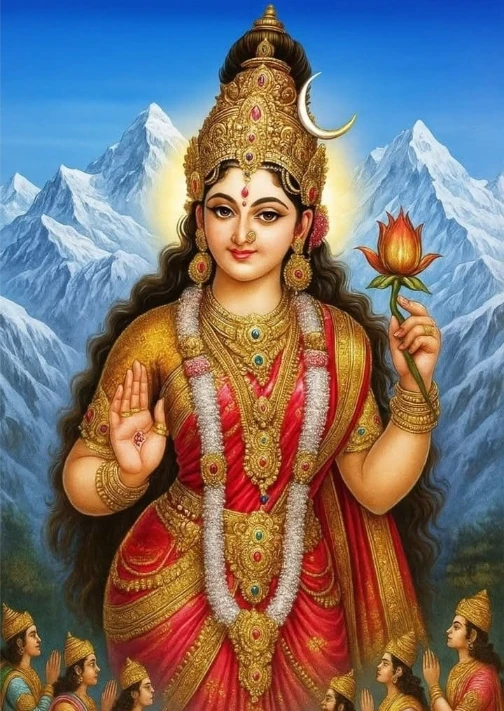
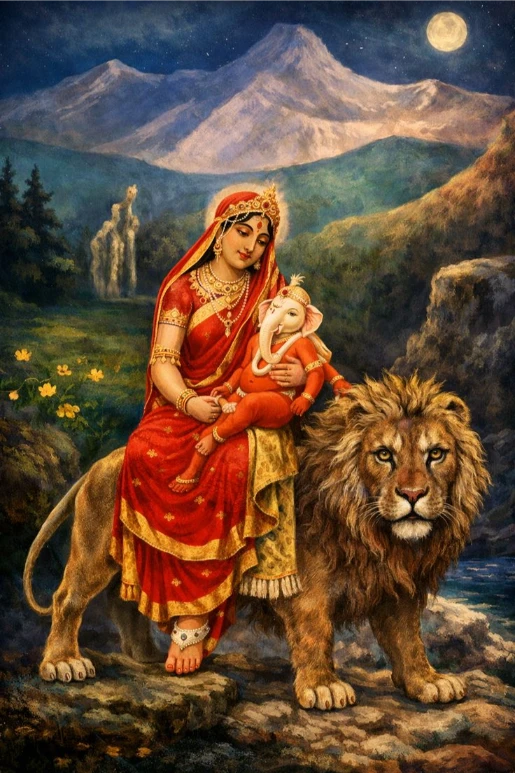
एवमुक्ताऽथ सा देवी तेन शैलेन पार्वती ।
संहृत्य दर्शयामास स्वरूपमपरं पुनः ॥३॥

नीलोत्पलदलप्रख्यं नीलोत्पलसुगन्धिकम् ।
द्विनेत्रं द्विभुजं सौम्यं नीलालकविभूषितम् ॥४॥

रक्तपादाम्बुजतलं सुरक्तकरपल्लवम् ।
श्रीमद् विशालसंवृत्तललाटतिलकोज्ज्वलम् ॥५॥

भूषितं चारुसर्वाङ्गं भूषणैरतिकोमलम् ।
दधानमुरसा मालां विशालां हेमनिर्मिताम् ॥६॥

ईषत्स्मितं सुबिम्बोष्ठं नूपुरारावसंयुतम् ।
प्रसन्नवदनं दिव्यमनन्तमहिमास्पदम् ॥७॥

तदीदृशं समालोक्य स्वरूपं शैलसत्तमः ।
भीतिं संत्यज्य हृष्टात्मा बभाषे परमेश्वरीम् ॥८॥
॥ इति श्रीकूर्मपुराणे पार्वती सहस्रनाम स्तोत्रं सम्पूर्णम् ॥