
शङ्करकवच श्लोकाः १-६१
पद्मपुराणान्तर्गतं वेदसाराख्यं
॥ श्रीगणेशाय नमः ॥
॥ श्रीउमामहेश्वराभ्यां नमः ॥
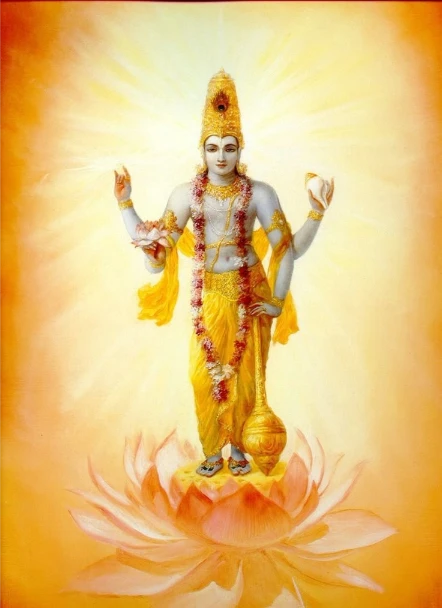
शुक्लाम्बरधरं विष्णुं शशिवर्णं चतुर्भुजम् ।
प्रसन्नवदनं ध्यायेत् सर्वविघ्नोपशान्तये ॥ १॥
ईश्वरं परमं तत्त्वमादिमध्यान्तवर्जितम् ।
आधारं सर्वभूतानमनाधारमविक्रियम् ॥ २॥
अनन्तानन्दबोधाम्बुनिधिमद्भुतविक्रियम् ।
अम्बिकापतिमीशानमनीशं प्रणमाम्यहम् ॥ ३॥
ईशमाद्यन्तनिर्मुक्तमतिशोभनमादरात् ।
नमामि विग्रहं साम्बं संसारामयभेषजम् ॥ ४॥
व्यास उवाच ।
एकदा मुनयः सर्वे द्वारकां द्रष्टुमागताः ।
वासुदेवं च सोत्कण्ठाः कृष्णदर्शनलालसाः ॥ ५॥
ततः स भगवान्प्रीतः पूजां चक्रे यथाविधि ।
तेषामाशीस्ततो गृह्य बहुमानपुरःसरम् ॥ ६॥
तैः पृष्टः कथयामास कुमारप्रभवं च यत् ।
चरितं भूमिभारघ्नं लोकानन्दकरं परम् ॥ ७॥
मार्कण्डेयमुखाः सर्वे माध्याह्निकक्रियोत्थिताः ।
कृष्णः स्नानमथो चक्रे मृदक्षतकुशादिभिः ॥ ८॥
पीताम्बरं त्रिपुण्ड्रं च धृत्वा रुद्राक्षमालिकाः ।
सूर्योपस्थानं सन्ध्यां च स्मृतिधर्ममनुस्मरन् ॥ ९॥
शिवपूजां ततः कृष्णो गन्धपुष्पाक्षतादिभिः ।
चकार विधिवद्भक्त्या नमस्कारयुतां शुभाम् ॥ १०॥
जय शङ्कर सोमेश रक्ष रक्षेति चाब्रवीत् ।
जजाप शिवसाहस्रं भुक्तिमुक्तिप्रदं विभोः ।
अनन्यमानसः शान्तः पद्मासनगतः शुचिः ॥ ११॥
ततस्ते विस्मयापन्ना दृष्ट्वा कृष्णविचेष्टितम् ।
मार्कण्डेयोऽवदत्कृष्णं बहुशो मुनिसम्मतम् ॥ १२॥
मार्कण्डेय उवाच
त्वं विष्णुः कमलाकान्तः परमात्मा जगद्गुरुः । (त्वं कृष्णः)
भवत्पूज्यः कथं शम्भुरेतत्सर्वं वदस्व मे ॥ १३॥
व्यास उवाच
अथ ते मुनयः सर्वे मार्कण्डेयं समार्चयन् ।
वचोभिर्वासुदेवश्च पृष्टः साधु त्वयेति च ॥ १४॥
श्रीकृष्ण उवाच
साधु साधु मुने पृष्टं हिताय सकलस्य च ॥ १५॥
अज्ञातं तव नास्त्येव तथापि च वदाम्यहम् ।
दैवतं सर्वलोकानां सर्वकारणकारणम् ॥ १६॥ (सर्वदेवानां)
ज्योतिर्यत्परमानन्दं सावधानमतिः शृणु ।
विश्वपावनमीशानं गुणातीतमजं परम् ॥ १७॥ (विश्वसाधनमीशानं)
जगतस्तस्थुषो ह्यात्मा मम मूलं महामुने ।
यो देवः सर्वदेवानां ध्येयः पूज्यः सदाशिवः ॥ १८॥
स शिवः स महादेवः शङ्करश्च निरञ्जनः ।
तस्मान्नान्यः परो देवस्त्रिषु लोकेषु विद्यते ॥ १९॥
सर्वज्ञः सर्वगः शक्तः सर्वात्मा सर्वतोमुखः ।
पठ्यते सर्वसिद्धान्तैर्वेदान्तैर्यो मुनीश्वराः ॥ २०॥
तस्मिन्भक्तिर्महादेवे मम धातुश्च निर्मला ।
महेशः परमं ब्रह्म शान्तः सूक्ष्मः परात्परः ॥ २१॥
सर्वान्तरः सर्वसाक्षी चिन्मयस्तमसः परः ।
निर्विकल्पो निराभासो निःसङ्गो निरुपद्रवः ॥ २२॥
निर्लेपः सकलाध्यक्षो महापुरुष ईश्वरः ।
तस्य चेच्छाभवत्पूर्वं जगत्स्थित्यन्तकारिणी ॥ २३॥
वामाङ्गादभवं तस्य सोऽहं विष्णुरिति स्मृतः ।
जनयामास धातारं दक्षिणाङ्गात्सदाशिवः ॥ २४॥
मध्यतो रुद्रमीशानं कालात्मा परमेश्वरः ।
तपः कुर्वन्तु भो वत्सा अब्रवीदिति तान्  शिवः ॥ २५॥ (तपस्तपन्तु भो)
ततस्ते शिवमात्मानं प्रोचुः संयतमानसाः ।
स्तुत्वा तु विधिवत्स्तोत्रैः प्रणम्य च पुनः पुनः ॥ २६॥
ब्रह्मविष्णुमहेश्वरा ऊचुः
तपः केन प्रकारेण कर्तव्यं परमेश्वर ।
ब्रूहि सर्वमशेषेण स्वात्मानं वेत्सि नापरः ॥ २७॥
श्रीमहादेव उवाच । (शिव उवाच)
कायेन मनसा वाचा ध्यानपूजाजपादिभिः ।
कामक्रोधादिरहितं तपः कुर्वन्तु भो सुराः ॥ २८॥
देवा ऊचुः ।
त्वया यत्कथितं शम्भो दुर्ज्ञेयमजितात्मभिः ।
सौम्योपायमतो ब्रह्मन्वद कारुण्यवारिधे ॥ २९॥
श्रीशङ्कर उवाच । (शिव उवाच)
शृणुध्वं सर्वपापघ्नं भुक्तिमुक्तिप्रदं नृणाम् ।
सहस्रनामसद्विद्यां जपन्तु मम सुव्रताः ॥ ३०॥
यया संसारमग्नानां मुक्तिर्भवति शाश्वती ।
शृण्वन्तु तद्विधानं हि महापातकनाशनम् ॥ ३१॥
पठतां शृण्वतां सद्यो मुक्तिः स्यादनपायिनी ।
ब्रह्मचारी कृतस्नानः शुक्लवासा जितेन्द्रियः ॥ ३२॥
भस्मधारी मुनिर्मौनी पद्मासनसमन्वितः ।
ध्यात्वा मां सकलाधीशं निराकारं निरीश्वरम् ॥ ३३॥
पार्वतीसहितं शम्भुं जटामुकुटमण्डितम् ।
दधानं चर्म वैयाघ्रं चन्द्रार्धकृतशेखरम् ॥ ३४॥ (वसानं चर्म)
त्र्यम्बकं वृषभारूढं कृत्तिवाससमुज्ज्वलम् ।
सुरार्चितपदद्वन्द्वं दिव्यभोगं सुसुन्दरम् ॥ ३५॥
बिभ्राणं सुप्रसन्नं च कुठारवरदाभयम् ।
दुर्दर्शं कमलासीनं नागयज्ञोपवीतिनम् ॥ ३६॥ (दुरन्तं)
विश्वकायं चिदानन्दं शुद्धमक्षरमव्ययम् ।
सहस्रशिरसं शर्वमनन्तकरसंयुतम् ॥ ३७॥ (शम्भुमनन्तकरसंयुतम्)
सहस्रचरणं दिव्यं सोमसूर्याग्निलोचनम् ।
जगद्योनिमजं ब्रह्म शिवमाद्यं सनातनम् ॥ ३८॥
दंष्ट्राकरालं दुष्प्रेक्ष्यं सूर्यकोटिसमप्रभम् ।
निशाकरकराकारं भेषजं भवरोगिणाम् ॥ ३९॥
पिनाकिनं विशालाक्षं पशूनां पतिमीश्वरम् ।
कालात्मानं कालकालं देवदेवं महेश्वरम् ॥ ४०॥
ज्ञानवैराग्यसम्पन्नं योगानन्दकरं परम् । (योगानन्दमयं)
शाश्वतैश्वर्यसम्पन्नं महायोगीश्वरेश्वरम् ॥ ४१॥
समस्तशक्तिसंयुक्तं पुण्यकायं दुरासदम् ।
तारकं ब्रह्म सम्पूर्णमणीयांसं महत्तरम् ॥ ४२॥ (महत्तमम्)
यतीनां परमं ब्रह्म व्रतिनां तपसः फलम् ।
संयमीहृत्समासीनं तपस्विजनसंवृतम् ॥ ४३॥
विधीन्द्रविष्णुनमितं मुनिसिद्धनिषेवितम् ।
महादेवं महात्मानं देवानामपि दैवतम् ॥ ४४॥ (महानन्दं)
शान्तं पवित्रमोङ्कारं ज्योतिषां ज्योतिमुत्तमम् ।
इति ध्यात्वा शिवं चित्ते रक्षार्थं कवचं न्यसेत् ॥ ४५॥
(ततः पठेद्धि कवचं मम सर्वाघनाशनम्)
अथ कवचं -
शङ्करो मे शिरः पातु ललाटं भाललोचनः ।
विश्वचक्षुर्दृशौ पातु भ्रुवौ रुद्रो ममावतु ॥ ४६॥
(विश्वचक्षुर्दृशौ पातु रुद्रः पातु भ्रुवौ मम ॥)
गण्डौ पातु महेशानः श्रुती रक्षतु पूर्वजः ।
कपोलौ मे महादेवः पातु नासां सदाशिवः ॥ ४७॥
मुखं पातु हविर्भोक्ता ओष्ठौ पातु महेश्वरः ।
दन्तान् रक्षतु देवेशस्तालू सोमकलाधरः ॥ ४८॥
रसनां परमानन्दः पातु शङ्खं शिवाप्रियः ।
चुबुकं पातु मे शम्भुः श्मश्रुं शत्रुविनाशानः ॥ ४९॥
कूर्चं पातु भवः कण्ठं नीलकण्ठोऽवतु ध्रुवम् ।
स्कन्धौ स्कन्दगुरुः पातु बाहू पातु महाभुजः ॥ ५०॥ (स्कन्धौ स्कन्दपिता)
उपबाहू महावीर्यः करौ विबुधसत्तमः ।
अङ्गुलीः पातु पञ्चास्यः पर्वाणि च सहस्रपात् ॥ ५१॥
हृदयं पातु सर्वात्मा स्तनौ पातु पितामहः ।
उदरं हुतभुक्पातु मध्यं पातु मध्यमेश्वरः ॥ ५२॥
कुक्षिं पातु भवानीशः पृष्ठं पातु कुलेश्वरः ।
प्राणान्मे प्राणदः पातु नाभिं भीमः कटिं विभुः ॥ ५३॥
सक्थिनी पातु मे भर्गो जानुनी भुवनाधिपः ।
जङ्घे पुररिपुः पातु चरणौ भवनाशनः ॥ ५४॥
शरीरं पातु मे शर्वो बाह्यमाभ्यन्तरं शिवः ।
इन्द्रियाणि हरः पातु सर्वत्र जयवर्धनः ॥ ५५॥
प्राच्यां दिशि मृडः पातु दक्षिणे यमसूदनः । (पूर्वे मम मृडः)
वारुण्यां सलिलाधीश उदीच्यां मे महीधरः ॥ ५६॥
ईशान्यां पातु भूतेश आग्नेय्यां रविलोचनः ।
नैरृत्यां भूतभृत्पातु वायव्यां बलवर्धनः ॥ ५७॥
ऊर्ध्वं पातु मखद्वेषी ह्यधः संसारनाशनः ।
सर्वतः सुखदः पातु बुद्धिं पातु सुलोचनः ॥ ५८॥
इति कवचम् ।
एवं न्यासविधिं कृत्वा साक्षाच्छम्भुमयो भवेत् ।
नमो हिरण्यबाह्वादि पठेन्मन्त्रं तु भक्तितः ॥ ५९॥
सद्योजातादिभिर्मन्त्रैर्नमस्कुर्यात्सदाशिवम् ।
ततः सहस्रनामेदं पठितव्यं मुमुक्षुभिः ॥ ६०॥
सर्वकार्यकरं पुण्यं महापातकनाशनम् ।
सर्वगुह्यतमं दिव्यं सर्वलोकहितप्रदम् ॥ ६१॥
मन्त्राणां परमो मन्त्रो भवदुःखषडूर्मिहृत् ।
ओं नमः शम्भवे चेति षड्भिर्मन्त्रैः षडङ्गकम् ।
न्यासं कृत्वा तु विधिवत्सम्यग्ध्यानं ततश्चरेत् ॥ ६२॥
विनियोगः (न्यास)
ॐ अस्य श्रीवेदसाराख्यपरमदिव्यशिवसहस्रनामस्तोत्रमन्त्रस्य
श्रीभगवान् नारायण ऋषिः । अनुष्टुप् छन्दः ।
परमात्मा श्रीमहादेवो देवता । नमः इति बीजम् ।
शिवायेति शक्तिः । चैतन्यमिति कीलकम् ।
श्रीमहादेवप्रीत्यर्थे एवं प्रसादसिद्धयर्थे जपे विनियोगः ।
अथ न्यासः ।
॥ अथ करन्यासः ॥
ॐ नमः शम्भवे च अङ्गुष्ठाभ्यां नमः ।
ॐ नमः मयोभवे च तर्जनीभ्यां नमः ।
ॐ नमः शङ्कराय च मध्यमाभ्यां नमः ।
ॐ नमः मयस्कराय च अनामिकाभ्यां नमः ।
ॐ नमः शिवाय च कनिष्ठिकाभ्यां नमः ।
ॐ नमः शिवतराय च करतलकरपृष्ठाभ्यां नमः ॥
॥ अथ हृदयाद्यङ्गन्यासः ॥
ॐ नमः शम्भवे च हृदयाय नमः ।
ॐ नमः मयोभवे च शिरसे स्वाहा ।
ॐ नमः शङ्कराय च शिखायै वषट् ।
ॐ नमः मयस्कराय च कवचाय हुम् ।
ॐ नमः शिवाय च नेत्रत्रयाय वौषट् ।
ॐ नमः शिवतराय च अस्त्राय फट् ॥
भूर्भुवस्सुवरोमिति दिग्बन्धः ॥
। अथ ध्यानम् ।
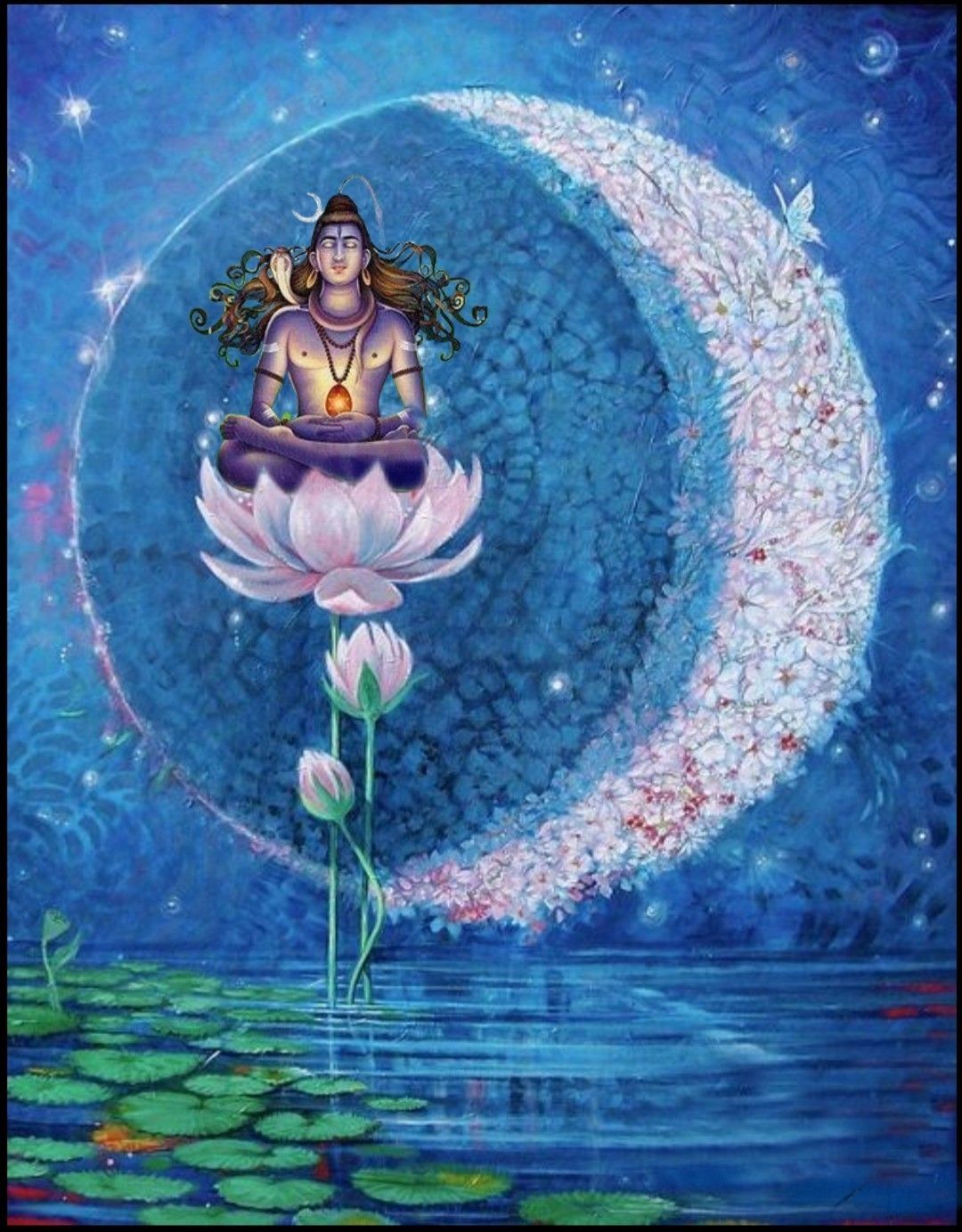
कैलासाद्रिनिभं शशाङ्ककलया स्फूर्जज्जटामण्डलं
नासालोकनतत्परं त्रिनयनं वीरासनाध्यासितम् ।
मुद्राटङ्ककुरङ्गजानुविलसद्बाहुं प्रसन्नाननं
कक्ष्याबद्धभुजङ्गमं मुनिवृतं वन्दे महेशं परम् ॥ १॥
शुद्धस्फटिकसङ्काशं त्रिनेत्रं चेन्दुशेखरम् ।
पञ्चवक्त्रं महाबाहुं दशबाहुसमन्वितम् ॥ २॥
भस्मोद्धूलितसर्वाङ्गं नागाभरणभूषितम् ।
परिपूर्णं परानन्दं परं ज्योतिः परात्परम् ॥ ३॥
पराशक्त्या श्रिया सार्धं परमानन्दविग्रहम् ।
सूर्यकोटिप्रतीकाशं चन्द्रकोटिसुशीतलम् ।
श्रीरुद्रं सच्चिदानन्दं ध्यायेत् सर्वात्मसिद्धये ॥ ४॥
॥ अथ लमित्यादि पञ्चपूजा ॥
लं पृथिव्यात्मने गन्धं समर्पयामि ।
हं आकाशात्मने पुष्पैः पूजयामि ।
यं वाय्वात्मने धूपमाघ्रापयामि ।
रं अग्न्यात्मने दीपं दर्शयामि ।
वं अमृतात्मने अमृतं महानैवेद्यं निवेदयामि ।
सं सर्वात्मने सर्वोपचारपूजां समर्पयामि ॥
अथ सहस्रनामस्तोत्रम् ॥
ॐ नमः पराय देवाय शङ्कराय महात्मने ।
कामिने नीलकण्ठाय निर्मलाय कपर्दिने ॥ १॥
निर्विकल्पाय शान्ताय निरहङ्कारिणे नमः ।
अनर्घ्याय विशालाय सालहस्ताय ते नमः ॥ २॥ (अनर्घाय)
निरञ्जनाय शर्वाय श्रुताय च परात्मने ।
नमः शिवाय भर्गाय गुणातीताय वेधसे ॥ ३॥
महादेवाय पीताय पार्वतीपतये नमः । (महादेवाय वीताय)
केवलाय महेशाय विशुद्धाय बुधात्मने ॥ ४॥
कैवल्याय सुदेहाय निःस्पृहाय स्वरूपिणे ।
नमः सोमविभूषाय कालायामिततेजसे ॥ ५॥
अजिराय जगत्पित्रे जनकाय पिनाकिने ।
निराधाराय सिंहाय मायातीताय ते नमः ॥ ६॥
बीजाय सर्पभूषाय पशूनां पतये नमः ।
पुरन्दराय भद्राय पुरुषाय महीयसे ॥ ७॥
महासन्तोषरूपाय ज्ञानिने शुद्धबुद्धये ।
नमो वृद्धस्वरूपाय तपसे परमात्मने ॥ ८॥
पूर्वजाय सुरेशाय ब्रह्मणेऽनन्तमूर्तये ।
निरक्षराय सूक्ष्माय कैलासपतये नमः ॥ ९॥
निरामयाय कान्ताय निरातङ्काय ते नमः ।
निरालम्बाय विश्वाय नित्याय यतये नमः ॥ १०॥
आत्मारामाय भव्याय पूज्याय परमेष्ठिने ।
विकर्तनाय सूर्म्याय शम्भवे विश्वरूपिणे ॥ ११॥
ताराय हंसनाथाय प्रतिसर्याय ते नमः ।
परावरेशरुद्राय भवायालङ्घ्यशक्तये ॥ १२॥
इन्द्रध्वंसनिधीशाय कालहन्त्रे मनस्विने ।
विश्वमात्रे जगद्धात्रे जगन्नेत्रे नमो नमः ॥ १३॥
जटिलाय विरागाय पवित्राय मृडाय च ।
निरवद्याय पात्राय स्तेनानां पतये नमः ॥ १४॥
नादाय रविनेत्राय व्योमकेशाय ते नमः ।
चतुर्भोगाय साराय योगिनेऽनन्तमायिने  ॥ १५॥ (योगिनेऽनन्तगामिने)
धर्मिष्ठाय वरिष्ठाय पुरत्रयविघातिने ।
गरिष्ठाय गिरीशाय वरदाय नमो नमः ॥ १६॥
व्याघ्रचर्माम्बरायाथ दिशावस्त्राय ते नमः । (दिग्वस्त्राय च)
परमप्रेममन्त्राय प्रथमाय सुचक्षुषे ॥ १७॥
आद्याय शूलहस्ताय शितिकण्ठाय तेजसे । (ते नमः)
उग्राय वामदेवाय श्रीकण्ठाय नमो नमः ॥ १८॥
विश्वेश्वराय सूर्याय गौरीशाय वराय च ।
मृत्युञ्जयाय वीराय वीरभद्राय ते नमः ॥ १९॥
कामनाशाय गुरवे मुक्तिनाथाय ते नमः ।
विरूपाक्षाय सूताय वह्निनेत्राय ते नमः ॥ २०॥
जलन्धरशिरच्छेत्रे हविषे हितकारिणे ।
महाकालाय वैद्याय सघृणेशाय ते नमः ॥ २१॥
नम ओङ्काररूपाय सोमनाथाय ते नमः ।
रामेश्वराय शुचये भौमेशाय नमो नमः ॥ २२॥
त्र्यम्बकाय निरीहाय केदाराय नमो नमः ।
गङ्गाधराय कवये नागनाथाय ते नमः ॥ २३॥
भस्मप्रियाय सूद्याय लक्ष्मीशाय नमो नमः ।
पूर्णाय भूतपतये सर्वज्ञाय दयालवे ॥ २४॥
धर्माय धनदेशाय गजचर्माम्बराय च ।
भालनेत्राय यज्ञाय श्रीशैलपतये नमः ॥ २५॥
कृशानुरेतसे नीललोहिताय नमो नमः ।
अन्धकासुरहन्त्रे च पावनाय बलाय च ॥ २६॥
चैतन्याय त्रिनेत्राय दक्षनाशकराय च ।
नमः सहस्रशिरसे जयरूपाय ते नमः ॥ २७॥
सहस्रचरणायाथ योगिहृत्पद्मवासिने ।
सद्योजाताय वन्द्याय सर्वदेवमयाय च ॥ २८॥
आमोदाय प्रगल्भाय गायत्रीवल्लभाय च ।
व्योमाकाराय विप्राय नमो विप्रप्रियाय च ॥ २९॥
अघोराय सुवेषाय श्वेतरूपाय ते नमः ।
विद्वत्तमाय चित्राय विश्वग्रासाय नन्दिने ॥ ३०॥
अधर्मशत्रुरूपाय दुन्दुभेर्मर्दनाय च ।
अजातशत्रवे तुभ्यं जगत्प्राणाय ते नमः ॥ ३१॥
नमो ब्रह्मशिरश्छेत्रे पञ्चवक्त्राय खड्गिने ।
नमस्ते हरिकेशाय पञ्चवर्णाय वज्रिणे ॥ ३२॥
नमः पञ्चाक्षरायाथ गोवर्धनधराय च ।
प्रभवे सर्वलोकानां कालकूटविषादिने ॥ ३३॥
सिद्धेश्वराय सिद्धाय सहस्रवदनाय च ।
नमः सहस्रहस्ताय सहस्रनयनाय च ॥ ३४॥
सहस्रमूर्तये तुभ्यं जिष्णवे जितशत्रवे ।
काशीनाथाय गेह्याय नमस्ते विश्वसाक्षिणे ॥ ३५॥
हेतवे सर्वजीवानां पालकाय नमो नमः ।
जगत्संहारकाराय त्रिधावस्थाय ते नमः ॥ ३६॥
एकादशस्वरूपाय नमस्ते वह्निमूर्तये ।
नरसिंहमहादर्पघातिने शरभाय च ॥ ३७॥
भस्माभ्यक्ताय तीर्थाय जाह्नवीजनकाय च । (वल्लभाय)
देवदानवदैत्यानां गुरवे ते नमो नमः ॥ ३८॥
दलिताञ्जनभासाय नमो वायुस्वरूपिणे ।
स्वेच्छामन्त्रस्वरूपाय प्रसिद्धाय नमो नमः ॥ ३९॥ (प्रसिद्धायात्मने नमः)
वृषध्वजाय गोष्ठ्याय जगद्यन्त्रप्रवर्तिने ।
अनाथाय प्रजेशाय विष्णुगर्वहराय च ॥ ४०॥
हरेर्विधातृकलहनाशकाय ते नमो नमः । (हरिर्विधातृकलहनाशकाय)
नमस्ते दशहस्ताय गगनाय नमो नमः ॥ ४१॥
कैवल्यफलदात्रे च परमाय नमो नमः ।
ज्ञानाय ज्ञानगम्याय घण्टारवप्रियाय च ॥ ४२॥
पद्मासनाय पुष्टाय निर्वाणाय नमो नमः ।
अयोनये सुदेहाय ह्युत्तमाय नमो नमः ॥ ४३॥
अन्तकालाधिपतये विशालाक्षाय ते नमः ।
कुबेरबन्धवे तुभ्यं सोमाय सुखदायिने ॥ ४४॥
अमृतेश्वररूपाय कौबेराय च धन्विने । (कौबेराय नमो नमः)
प्रियम्वदसमर्थाय वन्दिने विभवाय च ॥ ४५॥
गिरिशाय गिरित्राय गिरिशन्ताय ते नमः ।
पारिजाताय बृहते पञ्चयज्ञाय ते नमः ॥ ४६॥
तरुणाय विशिष्टाय बालरूपधराय च ।
जीवितेशाय तुष्टाय पुष्टानां पतये नमः ॥ ४७॥
भवहेत्यै हिरण्याय कनिष्ठाय नमो नमः ।
मध्यमाय विधात्रे च ते शूराय सुभगाय च ॥ ४८॥
आदित्यतापनायाथ नमस्ते रुद्रमन्यवे ।
महाह्रदाय ह्रस्वाय वामनाय नमो नमः ॥ ४९॥
नमस्तत्पुरुषायाथ चतुर्हस्ताय मायिने । (चतुर्हस्ताय ते नमः)
नमो धूर्जटये तुभ्यं जगदीशाय ते नमः ॥ ५०॥
जगन्नाथस्वरूपाय लीलाविग्रहरूपिणे ।
अनघाय नमस्तुभ्यममराय नमो नमः ॥ ५१॥
अमृताय नमस्तुभ्यमच्छात्राय नमो नमः ।
लोकाध्यक्षाय वै तुभ्यमनादिनिधनाय च ॥ ५२॥
व्यक्तेतराय व्यक्ताय नमस्ते परमाणवे ।
लघुस्थूलस्वरूपाय नमः परशुधारिणे ॥ ५३॥
नमः खट्वाङ्गहस्ताय नागहस्ताय ते नमः ।
वरदाभयहस्ताय घण्टाहस्ताय ते नमः ॥ ५४॥
घस्मराय नमस्तुभ्यमजिताय नमो नमः ।
अणिमादिगुणेशाय पञ्चब्रह्ममयाय च ॥ ५५॥
पुरातनाय शुद्धाय बलप्रमथनाय च ।
पुण्योदयाय पद्माय विरक्ताय नमो नमः ॥ ५६॥
उदाराय विचित्राय विचित्रगतये नमः ।
वाग्विशुद्धाय चितये निर्गुणाय नमो नमः ॥ ५७॥
परमेशाय शेषाय नमः पद्मधराय च ।
महेन्द्राय सुशीलाय करवीरप्रियाय च ॥ ५८॥
महापराक्रमायाथ नमस्ते कालरूपिणे ।
विष्टरश्रवसे लोकचूडारत्नाय ते नमः ॥ ५९॥
साम्राज्यकल्पवृक्षाय करुणाय नटाय च । (नमस्तुभ्यं त्विषीमते)
अनर्घ्याय वरेण्याय वज्ररूपाय ते नमः ॥ ६०॥ (वरेण्याय नमस्तुभ्यं यज्ञरूपाय ते नमः)
परमज्योतिषे पद्मगर्भाय सलिलाय च ।
तत्त्वाधिकाय सर्गाय नमो दीर्घाय स्रग्विणे ॥ ६१॥
नमस्ते पाण्डुरङ्गाय घोराय ब्रह्मरूपिणे ।
निष्कलाय नमस्तुभ्यं प्रपथ्याय नमो नमः ॥ ६२॥ (सामगानप्रियाय च)
नमो जयाय क्षेत्राय क्षेत्राणां पतये नमः ।
कलाधराय पूताय पञ्चभूतात्मने नमः ॥ ६३॥
अनिर्विण्णाय तथ्याय पापनाशकराय च ।
विश्वतश्चक्षुषे तुभ्यं मन्त्रिणेऽनन्तरूपिणे ॥ ६४॥
सिद्धसाधकरूपाय मेदिनीरूपिणे नमः ।
अगण्याय प्रतापाय सुधाहस्ताय ते नमः ॥ ६५॥
श्रीवल्लभायेध्रियाय स्थाणवे मधुराय च ।
उपाधिरहितायाथ नमः सुकृतराशये ॥ ६६॥
नमो मुनीश्वरायाथ शिवानन्दाय ते नमः ।
रिपुघ्नाय नमस्तेजोराशयेऽनुत्तमाय च ॥ ६७॥
चतुर्मूर्तिवपुःस्थाय नमोबुद्धीन्द्रियात्मने ।
उपद्रवहरायाथ प्रियसन्दर्शनाय च ॥ ६८॥
भूतनाथाय मूलाय वीतरागाय ते नमः ।
नैष्कर्म्याय विरूपाय षट्चक्राय विशुद्धये ॥ ६९॥
कुलेशायावनीभर्त्रे भुवनेशाय ते नमः ।
हिरण्यबाहवे जीववरदाय नमो नमः ॥ ७०॥
आदिदेवाय भाग्याय चन्द्रसञ्जीवनाय च ।
हराय बहुरूपाय प्रसन्नाय नमो नमः ॥ ७१॥
आनन्दपूरितायाथ कूटस्थाय नमो नमः ।
नमो मोक्षफलायाथ शाश्वताय विरागिणे ॥ ७२॥
यज्ञभोक्त्रे सुषेणाय दक्षयज्ञविघातिने ।
नमः सर्वात्मने तुभ्यं विश्वपालाय ते नमः ॥ ७३॥
विश्वगर्भाय गर्भाय देवगर्भाय ते नमः ।
संसारार्णवमग्नानां समुद्धरणहेतवे ॥ ७४॥
मुनिप्रियाय खल्याय मूलप्रकृतये नमः ।
समस्तसिद्धये तेजोमूर्तये ते नमो नमः ॥ ७५॥
आश्रमस्थापकायाथ वर्णिने सुन्दराय च ।
मृगबाणार्पणायाथ शारदावल्लभाय च ॥ ७६॥
विचित्रमायिने तुभ्यमलङ्करिष्णवे नमः ।
बर्हिर्मुखमहादर्पमथनाय नमो नमः ॥ ७७॥
नमोऽष्टमूर्तये तुभ्यं निष्कलङ्काय ते नमः ।
नमो हव्याय भोज्याय यज्ञनाथाय ते नमः ॥ ७८॥
नमो मेध्याय मुख्याय विशिष्टाय नमो नमः ।
अम्बिकापतये तुभ्यं महादान्ताय ते नमः ॥ ७९॥
सत्यप्रियाय सत्याय प्रियनित्याय ते नमः ।
नित्यतृप्ताय वेदित्रे मृदुहस्ताय ते नमः ॥ ८०॥
अर्धनारीश्वरायाथ कुठारायुधपाणये ।
वराहभेदिने तुभ्यं नमः कङ्कालधारिणे ॥ ८१॥
महार्थाय सुसत्त्वाय कीर्तिस्तम्भाय ते नमः ।
नमः कृतागमायाथ वेदान्तपठिताय च ॥ ८२॥
अश्रोत्राय श्रुतिमते बहुश्रुतिधराय च ।
अघ्राणाय नमस्तुभ्यं गन्धावघ्राणकारिणे ॥ ८३॥
पादहीनाय वोढ्रे च सर्वत्रगतये नमः ।
त्र्यक्षाय जननेत्राय नमस्तुभ्यं चिदात्मने ॥ ८४॥
रसज्ञाय नमस्तुभ्यं रसनारहिताय च ।
अमूर्तायाथ मूर्ताय सदसस्पतये नमः ॥ ८५॥
जितेन्द्रियाय तथ्याय परञ्ज्योतिःस्वरूपिणे ।
नमस्ते सर्वमर्त्यानामादिकर्त्रे भुवन्तये ॥ ८६॥
सर्गस्थितिविनाशानां कर्त्रे ते प्रेरकाय च ।
नमोऽन्तर्यामिणे सर्वहृदिस्थाय नमो नमः ॥ ८७॥
चक्रभ्रमणकर्त्रे ते पुराणाय नमो नमः ।
वामदक्षिणहस्तोत्थलोकेश हरिशालिने ॥ ८८॥
नमः सकलकल्याणदायिने प्रसवाय च ।
स्वभावोदारधीराय सूत्रकाराय ते नमः ॥ ८९॥
विषयार्णवमग्नानां समुद्धरणसेतवे ।
अस्नेहस्नेहरूपाय वार्तातिक्रान्तवर्तिने ॥ ९०॥
यत्र सर्वं यतः सर्वं सर्वं यत्र नमो नमः ।
नमो महार्णवायाथ भास्कराय नमो नमः ॥ ९१॥
भक्तिगम्याय भक्तानां सुलभाय नमो नमः ।
दुष्प्रधर्षाय दुष्टानां विजयाय विवेकिनाम् ॥ ९२॥
अतर्किताय लोकाय सुलोकाय नमो नमः ।
पूरयित्रे विशेषाय शुभाय च नमो नमः ॥ ९३॥
नमः कर्पूरदेहाय सर्पहाराय ते नमः ।
नमः संसारपाराय कमनीयाय ते नमः ॥ ९४॥
वह्निदर्पविघाताय वायुदर्पविघातिने ।
जरातिगाय वीर्याय नमस्ते विश्वव्यापिने ॥ ९५॥
सूर्यकोटिप्रतीकाश निष्क्रियाय नमो नमः ।
चन्द्रकोटिसुशीताय विमलाय नमो नमः ॥ ९६॥
नमो गूढस्वरूपाय दिशां च पतये नमः ।
नमः सत्यप्रतिज्ञाय समस्ताय समाधये ॥ ९७॥
एकरूपाय शून्याय विश्वनाभिह्रदाय च ।
सर्वोत्तमाय कूल्याय प्राणिनां सुहृदे नमः ॥ ९८॥ (सर्वोत्तमाय कालाय)
अन्नानां पतये तुभ्यं चिन्मात्राय नमो नमः ।
ध्येयाय ध्यानगम्याय ध्यानरूपाय ते नमः ॥ ९९॥
नमस्ते शाश्वतैश्वर्यविभवाय नमो नमः ।
वरिष्ठाय धर्मगोप्त्रे निधनायाग्रजाय च ॥ १००॥
योगीश्वराय योगाय योगगम्याय ते नमः ।
नमः प्राणेश्वरायाथ सर्वशक्तिधराय च ॥ १०१॥
धर्माधाराय धन्याय पुष्कलाय नमो नमः ।
महेन्द्रोपेन्द्रचन्द्रार्कनमिताय नमो नमः ॥ १०२॥
महर्षिवन्दितायाथ प्रकाशाय सुधर्मिणे ।
नमो हिरण्यगर्भाय नमो हिरण्मयाय च ॥ १०३॥
जगद्बीजाय हरये सेव्याय क्रतवे नमः ।
आधिपत्याय कामाय यशसे ते प्रचेतसे ॥ १०४॥
नमो ब्रह्ममयायाथ सकलाय नमो नमः ।
नमस्ते रुक्मवर्णाय नमस्ते ब्रह्मयोनये ॥ १०५॥
योगात्मने त्वभीताय दिव्यनृत्याय ते नमः ।
जगतामेकबीजाय मायाबीजाय ते नमः ॥ १०६॥
सर्वहृत्सन्निविष्टाय ब्रह्मचक्रभ्रमाय च ।
ब्रह्मानन्दाय महते ब्रह्मण्याय नमो नमः ॥ १०७॥
भूमिभारार्तिसंहर्त्रे विधिसारथये नमः ।
हिरण्यगर्भपुत्राणां प्राणसंरक्षणाय च ॥ १०८॥
दुर्वाससे षड्विकाररहिताय नमो नमः ।
नमो देहार्धकान्ताय षडूर्मिरहिताय च ॥ १०९॥
प्रकृत्यै भवनाशाय ताम्राय परमेष्ठिने ।
अनन्तकोटिब्रह्माण्डनायकाय नमो नमः ॥ ११०॥
एकाकिने निर्मलाय द्रविणाय दमाय च ।
नमस्त्रिलोचनायाथ शिपिविष्टाय बन्धवे ॥ १११॥
त्रिविष्टपेश्वरायाथ नमो व्याघ्रेश्वराय च ।
विश्वेश्वराय दात्रे ते नमश्चन्द्रेश्वराय च ॥ ११२॥
व्याधेश्वरायायुधिने यज्ञकेशाय ते नमः । (व्यासेश्वराय )
जैगीषव्येश्वरायाथ दिवोदासेश्वराय च ॥ ११३॥
नागेश्वराय न्यायाय न्यायनिर्वाहकाय च ।
शरण्याय सुपात्राय कालचक्रप्रवर्तिने ॥ ११४॥
विचक्षणाय दंष्ट्राय वेदाश्वाय नमो नमः ।
नीलजीमूतदेहाय परात्मज्योतिषे नमः ॥ ११५॥
शरणागतपालाय महाबलपराय च ।
सर्वपापहरायाथ महानादाय ते नमः ॥ ११६॥
कृष्णस्य जयदात्रे ते बिल्वकेशाय ते नमः ।
दिव्यभोगाय दूताय कोविदाय नमो नमः ॥ ११७॥
कामपाशाय चित्राय चित्राङ्गाय नमो नमः ।
नमो मातामहायाथ नमस्ते मातरिश्वने ॥ ११८॥
निःसङ्गाय सुनेत्राय विद्येशाय जयाय च ।
व्याघ्रसम्मर्दनायाथ मध्यस्थाय नमो नमः ॥ ११९॥
अङ्गुष्ठशिरसा लङ्कानाथदर्पहराय च ।
वैयाघ्रपुरवासाय नमः सर्वेश्वराय च ॥ १२०॥
नमः परावरेशाय जगत्स्थावरमूर्तये ।
नमोऽप्यनुपमेशाय शार्ङ्गिणे विष्णुमूर्तये ॥ १२१॥
नारायणाय रामाय सुदीप्ताय नमो नमः ।
नमो ब्रह्माण्डमालाय गोधराय वरूथिने ॥ १२२॥
नमः सोमाय कूप्याय नमः पातालवासिने ।
नमस्ताराधिनाथाय वागीशाय नमो नमः ॥ १२३॥
सदाचाराय गौराय स्वायुधाय नमो नमः ।
अतर्क्यायाप्रमेयाय प्रमाणाय नमो नमः ॥ १२४॥
कलिग्रासाय भक्तानां भुक्तिमुक्तिप्रदायिने ।
संसारमोचनायाथ वर्णिने लिङ्गरूपिणे ॥ १२५॥
सच्चिदानन्दरूपाय पापराशिहराय च ।
गजारये विदेहाय त्रिलिङ्गरहिताय च ॥ १२६॥
अचिन्त्यशक्तयेऽलङ्घ्यशासनायाच्युताय च ।
नमो राजाधिराजाय चैतन्यविषयाय च ॥ १२७॥
नमः शुद्धात्मने ब्रह्मज्योतिषे स्वस्तिदाय च ।
मयोभुवे च दुर्ज्ञेयसामर्थ्याय च यज्वने ॥ १२८॥
चक्रेश्वराय वै तुभ्यं नमो नक्षत्रमालिने ।
अनर्थनाशनायाथ भस्मलेपकराय च ॥ १२९॥
सदानन्दाय विदुषे सगुणाय विरोधिने ।
दुर्गमाय शुभाङ्गाय मृगव्याधाय ते नमः ॥ १३०॥
प्रियाय धर्मधाम्ने ते प्रयोगाय विभागिने ।
नाद्यायामृतपानाय सोमपाय तपस्विने ॥ १३१॥
नमो विचित्रवेषाय पुष्टिसंवर्धनाय च ।
चिरन्तनाय धनुषे वृक्षाणां पतये नमः ॥ १३२॥
निर्मायायाग्रगण्याय व्योमातीताय ते नमः ।
संवत्सराय लोप्याय स्थानदाय स्थविष्णवे ॥ १३३॥
व्यवसायफलान्ताय महाकर्तृप्रियाय च ।
गुणत्रयस्वरूपाय नमः सिद्धस्वरूपिणे ॥ १३४॥
नमः स्वरूपरूपाय स्वेच्छाय पुरुषाय च ।
कालात्पराय वेद्याय नमो ब्रह्माण्डरूपिणे ॥ १३५॥
अनित्यनित्यरूपाय तदन्तर्वर्तिने नमः ।
नमस्तीर्थ्याय कूल्याय पूर्णाय वटवे नमः ॥ १३६॥
पञ्चतन्मात्ररूपाय पञ्चकर्मेन्द्रियात्मने ।
विशृङ्खलाय दर्पाय नमस्ते विषयात्मने ॥ १३७॥
अनवद्याय शास्त्राय स्वतन्त्रायामृताय च ।
नमः प्रौढाय प्राज्ञाय योगारूढाय ते नमः ॥ १३८॥
मन्त्रज्ञाय प्रगल्भाय प्रदीपविमलाय च ।
विश्ववासाय दक्षाय वेदनिःश्वसिताय च ॥ १३९॥
यज्ञाङ्गाय सुवीराय नागचूडाय ते नमः ।
व्याघ्राय बाणहस्ताय स्कन्दाय दक्षिणे नमः ॥ १४०॥
क्षेत्रज्ञाय रहस्याय स्वस्थानाय वरीयसे ।
गहनाय विरामाय सिद्धान्ताय नमो नमः ॥ १४१॥
महीधराय गृह्याय वटवृक्षाय ते नमः ।
ज्ञानदीपाय दुर्गाय सिद्धान्तैर्निश्चिताय च ॥ १४२॥
श्रीमते मुक्तिबीजाय कुशलाय विवासिने ।
प्रेरकाय विशोकाय हविर्धानाय ते नमः ॥ १४३॥
गम्भीराय सहायाय भोजनाय सुभोगिने ।
महायज्ञाय तीक्ष्णाय नमस्ते भूतचारिणे ॥ १४४॥
नमः प्रतिष्ठितायाथ महोत्साहाय ते नमः ।
परमार्थाय शिशवे प्रांशवे च कपालिने ॥ १४५॥
सहजाय गृहस्थाय सन्ध्यानाथाय विष्णवे ।
सद्भिः सम्पूजितायाथ वितलासुरघातिने ॥ १४६॥
जनाधिपाय योग्याय कामेशाय किरीटिने ।
अमोघविक्रमायाथ नग्नाय दलघातिने ॥ १४७॥
सङ्ग्रामाय नरेशाय नमस्ते शुचिभस्मने ।
भूतिप्रियाय भूम्ने ते सेनाय चतुराय च ॥ १४८॥
मनुष्यबाह्यगतये कृतज्ञाय शिखण्डिने ।
निर्लेपाय जटार्द्राय महाकालाय मेरवे ॥ १४९॥
नमो विरूपरूपाय शक्तिगम्याय ते नमः ।
नमः सर्वाय सदसत्सत्याय सुव्रताय च ॥ १५०॥
नमो भक्तिप्रियायाथ श्वेतरक्षापराय च ।
सुकुमारमहापापहराय रथिने नमः ॥ १५१॥
नमस्ते धर्मराजाय धनाध्यक्षाय सिद्धये ।
महाभूताय कल्पाय कल्पनारहिताय च ॥ १५२॥
ख्याताय जितविश्वाय गोकर्णाय सुचारवे ।
श्रोत्रियाय वदान्याय दुर्लभाय कुटुम्बिने ॥ १५३॥
विरजाय सुगन्धाय नमो विश्वम्भराय च ।
भवातीताय तिष्याय नमस्ते सामगाय च ॥ १५४॥
अद्वैताय द्वितीयाय कल्पराजाय भोगिने ।
चिन्मयाय नमः शुक्लज्योतिषे क्षेत्रगाय च ॥ १५५॥
सर्वभोगसमृद्धाय साम्परायाय ते नमः ।
नमस्ते स्वप्रकाशाय स्वच्छन्दाय सुतन्तवे ॥ १५६॥
सर्वज्ञमूर्तये तुभ्यं गुह्येशाय सुशान्तये ।
शारदाय सुशीलाय कौशिकाय धनाय च ॥ १५७॥
अभिरामाय तत्त्वाय व्यालकल्पाय ते नमः ।
अरिष्टमथनायाथ सुप्रतीकाय ते नमः ॥ १५८॥
आशवे ब्रह्मगर्भाय वरुणायाद्रये नमः ।
नमः कालाग्निरुद्राय श्यामाय सुजनाय च ॥ १५९॥
अहिर्बुध्न्याय जाराय दुष्टानां पतये नमः ।
नमः समयनाथाय समयाय गुहाय च ॥ १६०॥
दुर्लङ्घ्याय नमस्तुभ्यं छन्दःसाराय दंष्ट्रिणे ।
ज्योतिर्लिङ्गाय मित्राय जगतां हितकारिणे ॥ १६१॥
नमः कारुण्यनिधये श्लोकाय जयशालिने ।
ज्ञानोदयाय बीजाय जगद्विभ्रमहेतवे ॥ १६२॥
अवधूताय शिष्टाय छन्दसां पतये नमः ।
नमः फेन्याय गुह्याय सर्वबन्धविमोचिने ॥ १६३॥
उदारकीर्तये शश्वत्प्रसन्नवदनाय च ।
वसवे वेदकाराय नमो भ्राजिष्णुजिष्णवे ॥ १६४॥
चक्रिणे देवदेवाय गदाहस्ताय पुत्रिणे ।
पारिजातसुपुष्पाय गणाधिपतये नमः ॥ १६५॥
सर्वशाखाधिपतये प्रजनेशाय ते नमः ।
सूक्ष्मप्रमाणभूताय सुरपार्श्वगताय च ॥ १६६॥
अशरीरशरीराय अप्रगल्भाय ते नमः ।
सुकेशाय सुपुष्पाय श्रुतये पुष्पमालिने ॥ १६७॥
मुनिध्येयाय मुनये बीजसंस्थमरीचये ।
चामुण्डाजनकायाथ नमस्ते कृत्तिवाससे ॥ १६८॥
व्युप्तकेशाय योग्याय धर्मपीठाय ते नमः ।
महावीर्याय दीप्ताय बुद्धायाशनये नमः ॥ १६९॥
विशिष्टेष्टाय सेनान्ये द्विपदे कारणाय च ।
कारणानां भगवते बाणदर्पहराय च ॥ १७०॥
अतीन्द्रियाय रम्याय जनानन्दकराय च ।
सदाशिवाय सौम्याय चिन्त्याय शशिमौलये ॥ १७१॥
नमस्ते जातूकर्ण्याय सूर्याध्यक्षाय ते नमः ।
ज्योतिषे कुण्डलीशस्य वरदायाभयाय च ॥ १७२॥
वसन्ताय सुरभये जयारिमथनाय च ।
प्रेम्णे पुरञ्जयायाथ पृषदश्वाय ते नमः ॥ १७३॥
रोचिष्णवेऽसुरजिते श्वेतपीताय ते नमः ।
नमस्ते चञ्चरीकाय तमिस्रमथनाय च ॥ १७४॥
प्रमाथिने निदाघाय चित्रगर्भाय ते नमः ।
शिवालयाय स्तुत्याय तीर्थदेवाय ते नमः ॥ १७५॥
पत्तीनां पतये तुभ्यं विचित्रगतये नमः । (विचित्रशक्तये)
नमो निस्तुलरूपाय सवित्रे तपसे नमः ॥ १७६॥
अहङ्कारस्वरूपाय मेघाधिपतये नमः ।
अपाराय तत्त्वविदे क्षयद्वीराय ते नमः ॥ १७७॥
पञ्चास्यायाग्रगण्याय विष्णुप्राणेश्वराय च ।
अगोचराय याम्याय क्षेम्याय वडवाग्नये ॥ १७८॥
विक्रमाय स्वतन्त्राय स्वतन्त्रगतये नमः ॥
वनानां पतये तुभ्यं नमस्ते जमदग्नये ॥ १७९॥
अनावृताय मुक्ताय मातृकापतये नमः ।
नमस्ते बीजकोशाय दिव्यानन्दाय ते नमः ॥ १८०॥
नमस्ते विश्वदेवाय शान्तरागाय ते नमः ।
विलोचनसुदेवाय हेमगर्भाय ते नमः ॥ १८१॥
अनाद्यन्ताय चण्डाय मनोनाथाय ते नमः ।
ज्ञानस्कन्दाय तुष्टाय कपिलाय महर्षये ॥ १८२॥
नमस्त्रिकाग्निकालाय देवसिंहाय ते नमः ।
नमस्ते मणिपूराय चतुर्वेदाय ते नमः ॥ १८३॥
स्वरूपाणां स्वभावाय ह्यन्तर्यागाय ते नमः ।
नमः श्लोक्याय वन्याय महाधर्माय ते नमः ॥ १८४॥
प्रसन्नाय नमस्तुभ्यं सर्वात्मज्योतिषे नमः ।
स्वयम्भुवे त्रिमूर्तीनामध्वातीताय ते नमः ॥ १८५॥
सदाशिव उवाच ।
जपन्तु मामिकां देवाः नाम्नां दशशतीमिमाम् ।
मम चातिप्रियकरीं महामोक्षप्रदायिनीम् ॥ १८६॥
सङ्ग्रामे जयदात्रीं तु सर्वसिद्धिकरीं शुभाम् ।
यः पठेच्छृणुयाद्वापि सर्वपापैः प्रमुच्यते ॥ १८७॥
पुत्रकामो लभेत्पुत्रं राज्यकामस्तु राजताम् ।
प्राप्नुयात्परया भक्त्या धनधान्यादिकं बहु ॥ १८८॥
शिवालये नदीतीरे बिल्वमूले विशेषतः ।
प्रजपेत्सिद्धिदां देवाः शुचौ देशे शमीतले ॥ १८९॥
धनकामस्तु जुहुयाद्घृताक्तैर्बिल्वपत्रकैः ।
मोक्षकामस्तु गव्येन घृतेन प्रतिनामतः ॥ १९०॥
आयुष्कामस्तु जुहुयादाज्येन मधुना तथा ।
पुत्रकामस्तु जुहुयात्तिलाक्तेन तथाम्भसा ॥ १९१॥
मत्समीपे प्रदोषे च नत्वा भक्त्या जपेन्नरः ।
जीवन्सरूपतां प्राप्य सायुज्यं मम चाप्नुयात् ॥ १९२॥
कालोऽपि जनशास्ता हि मम भक्तं न पश्यति ।
अहं पुरःसरस्तस्य नेष्यामि गगनस्थलम् ॥ १९३॥
त्रिसन्ध्यं यः पठेद्भक्त्या वत्सरं नियमान्वितः ।
मच्चित्तो मन्मना भूत्वा साक्षान्मोक्षमवाप्नुयात् ॥ १९४॥
रुद्रपाठेन यत्पुण्यं यत्पुण्यं वेदपाठतः ।
तत्पुण्यं लभते योऽसावेकावृत्त्या पठेदिमाम् ॥ १९५॥
कन्याकोटिप्रदानेन यत्फलं लभते नरः ।
तत्फलं लभते सम्यङ्नाम्नां दशशतं जपन् ॥ १९६॥
अश्वमेधसहस्रस्य यत्फलं लभते नरः ।
कपिलाशतदानस्य तत्फलं पठनाद्भवेत् ॥ १९७॥
यः शृणोति सदा विद्यां श्रावयेद्वापि भक्तितः ।
सोऽपि मुक्तिमवाप्नोति यत्र गत्वा न शोचति ॥ १९८॥
यक्षराक्षसवेतालग्रहकूष्माण्डभैरवाः ।
पठनादस्य नश्यन्ति जीवेच्च शरदां शतम् ॥ १९९॥
ब्रह्महत्यादिपापानां नाशः स्याच्छ्रवणेन तु ।
किं पुनः पठनादस्य मुक्तिः स्यादनपायिनी ॥ २००॥
इत्युक्त्वा स महादेवो भगवान्परमेश्वरः ।
पुनरप्याह भगवान्कृपया परया युतः ॥ २०१॥
दीयतां मम भक्तेभ्यो यदुक्तं भवघातकम् ।
इत्युक्त्वान्तर्दधे देवः परानन्दस्वरूपधृक् ॥ २०२॥
श्रीकृष्ण उवाच
एतदेव पुरा रामो लब्धवान् कुम्भसम्भवात् ।
अरण्ये दण्डकाख्ये तु प्रजजाप रघूद्वहः ॥ २०३॥
नित्यं त्रिषवणस्नायी त्रिसन्ध्यं सुस्मरञ्शिवम् ।
तदासौ देवदेवोऽपि प्रत्यक्षः प्राह राघवम् ॥ २०४॥
महापाशुपतं दिव्यं प्रगृहाण रघूद्वह ।
एतदासाद्य पौलस्त्यं जहि मा शोकमर्हसि ॥ २०५॥
तदाप्रभृति भूदेवाः प्रजपन्ति सुभक्तितः ।
गृह्णन्तु परया भक्त्या भवन्तः सर्व एव हि ॥ २०६॥
श्रीव्यास उवाच ।
ततस्ते मुनयः सर्वे जगृहुर्मुनिपुङ्गवाः ।
गृह्णन्तु मम वाक्यं तु मुक्तिं प्राप्स्यथ निश्चिताः ॥ २०७॥
भवद्भिरात्मशिष्येभ्यो दीयतामिदमादरात् ।
नाम्नां सहस्रमेतद्धि लिखितं यन्निकेतने ॥ २०८॥
अविमुक्तं तु तद्गेहं नित्यं तिष्ठति शङ्करः ।
अनेन मन्त्रितं भस्माखिलदुष्टविनाशनम् ॥ २०९॥
पिशाचस्य विनाशाय जप्तव्यमिदमुत्तमम् ।
नाम्नां सहस्रेणानेन समं किञ्चिन्न विद्यते ॥ २१०॥
॥ इति श्रीपद्मपुराणे बिल्वकेश्वरमाहात्म्ये श्रीकृष्णमार्कण्डेय
संवादे वेदसारशिवसहस्रनामस्तोत्रं सम्पूर्णम् ॥ ॥

← Previous
नारायण सहस्रनाम स्तोत्र (१००० नाम) - Narayana Sahasranamam (1000 Names) Stotram Sanskrit Lyrics
Next →
विष्णु सहस्रनाम स्तोत्र (१००० नाम) - 1000 Names Vishnu Sahasranamam Stotram Sanskrit Lyrics
Discover Hidden Names
19 Shiva Avatar Names (भगवान शिव के 19 अवतार) Word Search
▶ Play Now